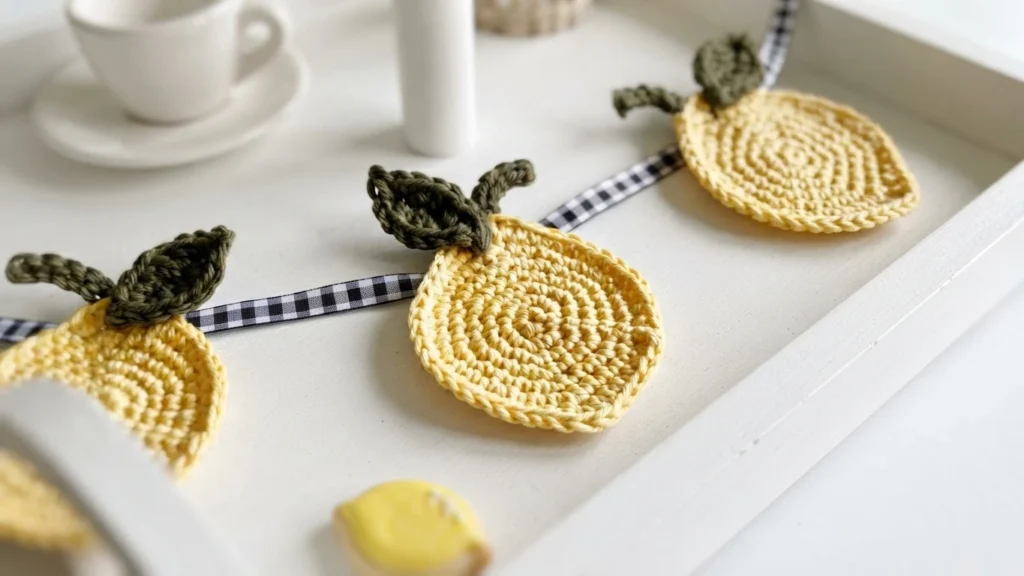
Project introduction
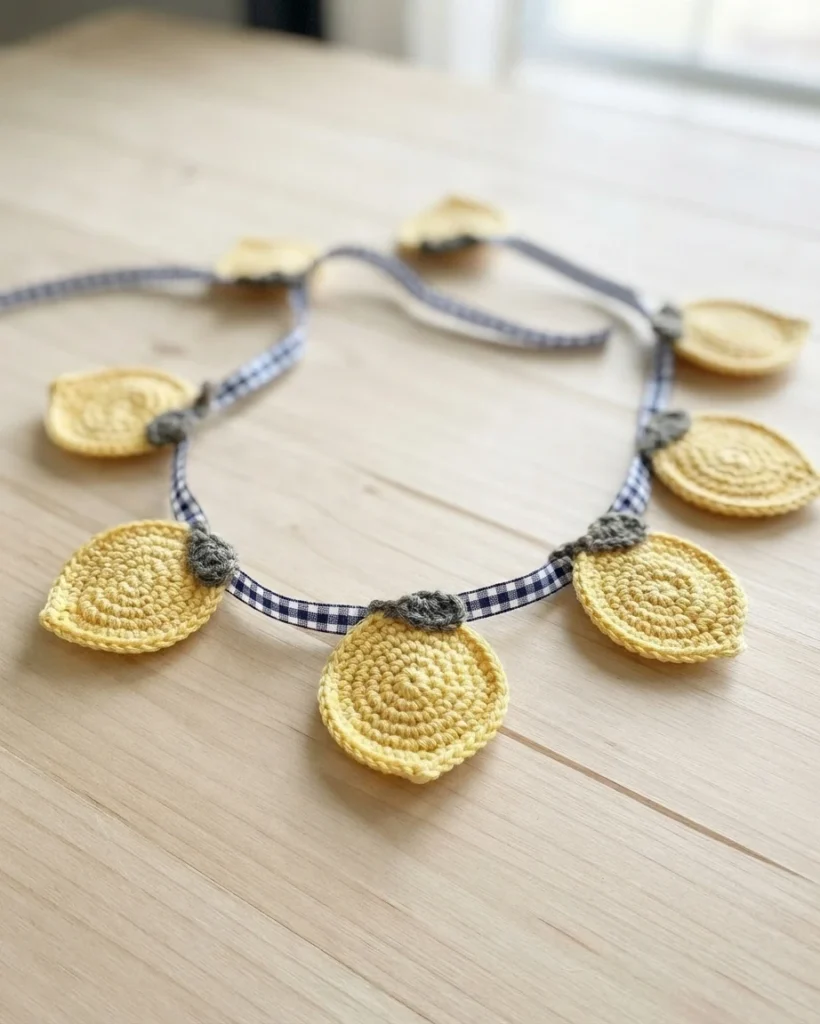
This pattern overview looks at the Lemon Bunting Motif from Hooks, Books, & Wanderlust, a small citrus project first shared as a video pattern and later written out after positive feedback. It is an overview, not a full tutorial, and it explains how the pieces fit together.
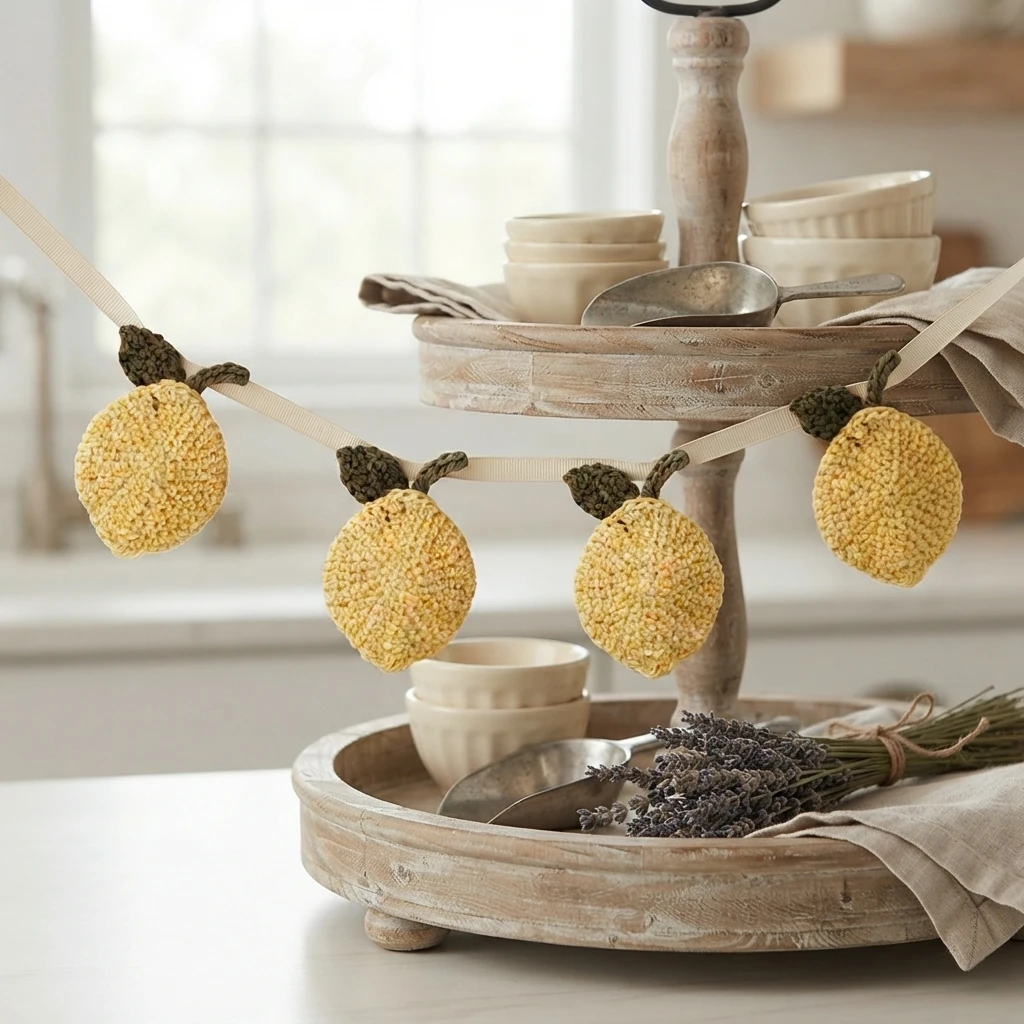
The motif began as a lemon themed mini bunting for a tiered tray, a cheerful summer display. The designer made one for a friend as well as one for her own tray, and the warm response led first to a video pattern and then to this written version. For the complete instructions, see Original designer’s pattern and instructions.
The Stitches
This motif stays friendly for newer makers because it relies on familiar stitches rather than complex combinations. The stitch set includes single crochet, half double crochet, double crochet, slip stitches, and chains. The magic ring, also called the magic circle, is described as the trickiest part.
The Yarn
The sample uses I Love This Cotton from Hobby Lobby in Curry and Olive, a soft but strong worsted weight cotton yarn classified as CYC 4. The warm yellow gives the lemon its sunny look, while the green works for the leaf and stem.
Lemon Bunting Motif Crochet Pattern Overview
The sections below gather the practical details in one place, from materials and terms to size, notes, and construction, so you can plan your bunting before you start. Then follow the original designer link for the full written pattern.
by Hooks, Books, & Wanderlust
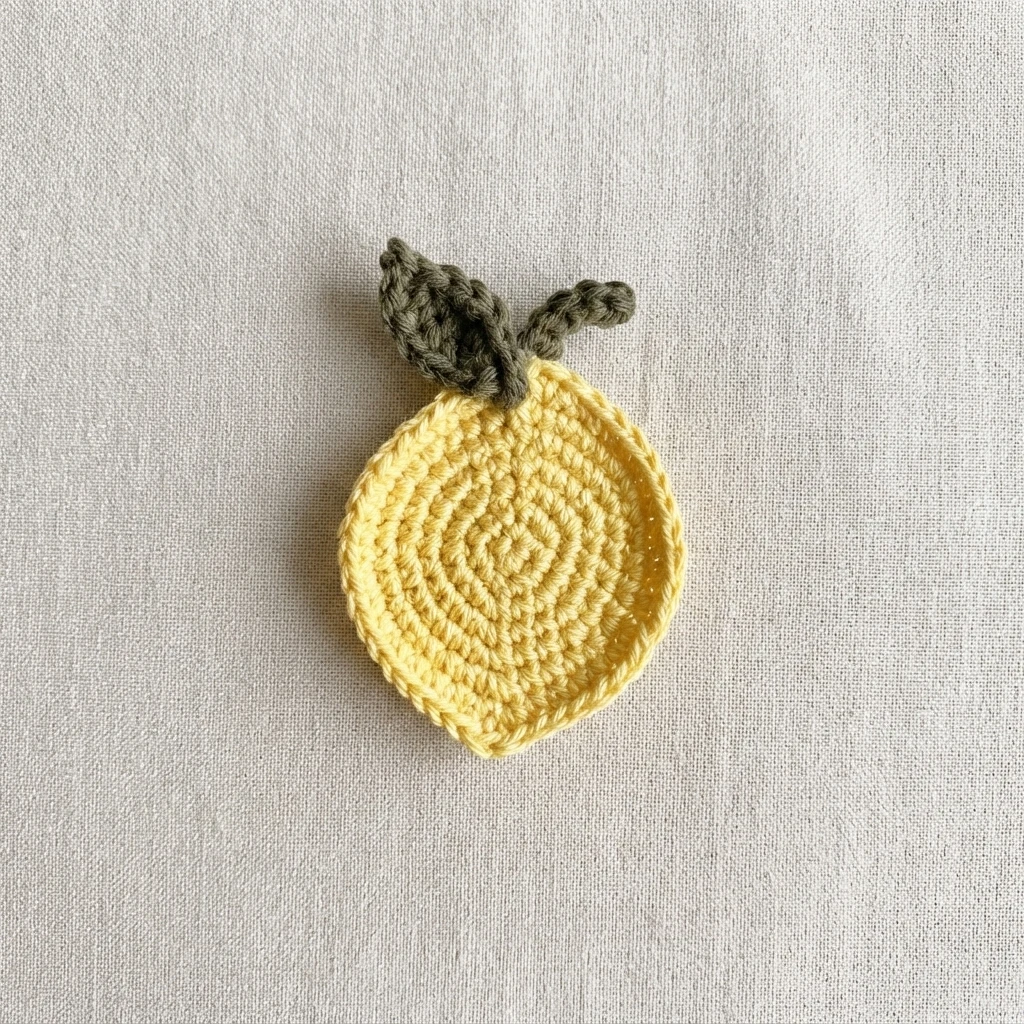
This pattern is by Hooks, Books, & Wanderlust and is written for one lemon. To make a longer bunting, multiply the yarn amounts by the number of lemons you want. The designer made four lemons for the sample mini bunting.
A printable PDF version is also available through the designer’s Etsy and Ravelry shops. It includes the full written pattern with notes, tips, and full color photos, a photo and video tutorial for the magic ring, a consolidated round only version, and a stitch chart.
Materials List
Gather these supplies before you start so you can work through one lemon without pausing to search for tools. The amounts below cover a single lemon with its leaf and stem.
- Color A (lemon): 6 yards (5.5 m) CYC 4 worsted weight cotton yarn, shown in I Love This Cotton in Curry
- Color B (leaf and stem): 2 yards (2 m) CYC 4 worsted weight cotton yarn, shown in I Love This Cotton in Olive
- Hook: 4mm / G
- Stitch marker (optional)
- Tapestry needle
- Scissors
- Ribbon or string for hanging, shown in a 3/8 inch grosgrain ribbon
Stitches & Abbreviations (US Terms)
The pattern uses US terms. Keep this short guide nearby while you work, especially for the two increase stitches, which both place two stitches into the same place.
- Magic Ring / Circle
- Chain (ch)
- Slip Stitch (sl st)
- Single Crochet (sc)
- Single Crochet Increase (sc inc): work two single crochets into the same place
- Half Double Crochet (hdc)
- Half Double Crochet Increase (hdc inc): work two half double crochets into the same place
- Double Crochet (dc)
Finished Measurements
One finished motif measures approximately 4.5 inches long by 2.75 inches wide (11.5 cm long by 7 cm wide). That compact size keeps it light for hanging and easy to group into a bunting.
Gauge
Gauge is listed as not important for this project. That means you do not need to match a swatch before you begin, and small differences in tension should still leave a tidy motif for display.
Notes
The pattern is written in US Standard terms and is classified as Advanced Beginner. You can adjust size or tension by going up or down a hook size or by using a different weight of yarn. An opening chain at the start of a round does not count as a stitch, and increase means working two stitches into the same location.
A supplemental video shows how to make the pattern from start to finish, and you can find it here. A printable PDF is the paid option for makers who want a convenient printable version.
Pattern Overview
The instructions cover one lemon with a matching leaf and stem. You can make as many or as few lemons as you want for your bunting, then arrange them along your hanging ribbon or string.
Part 1: lemon
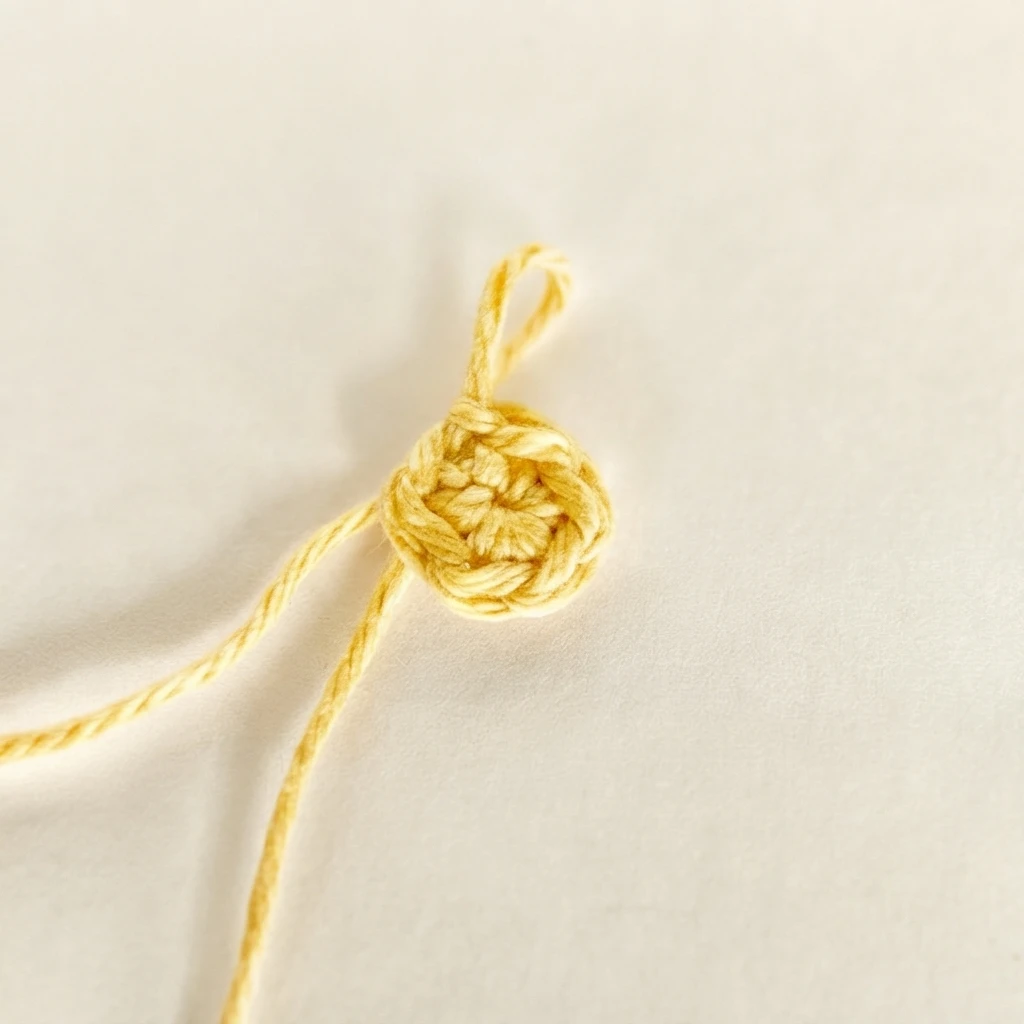
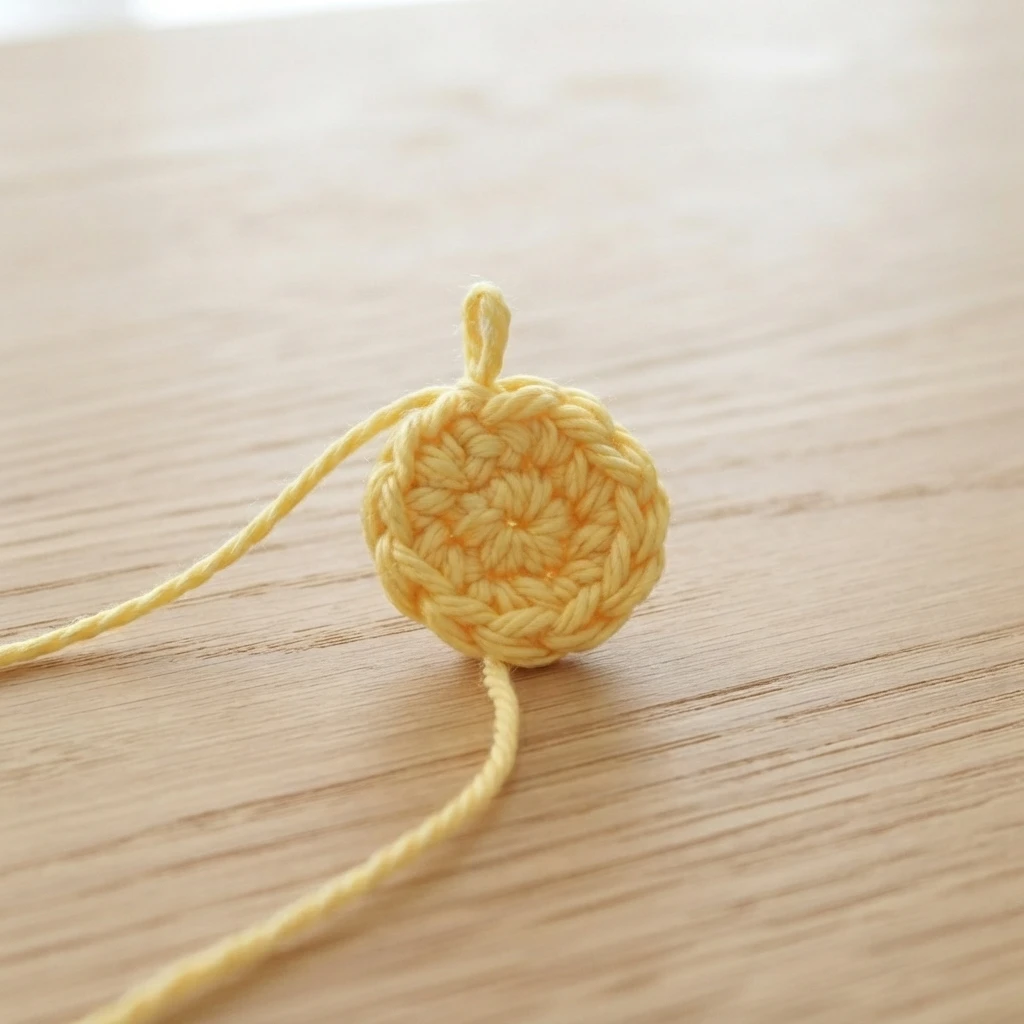
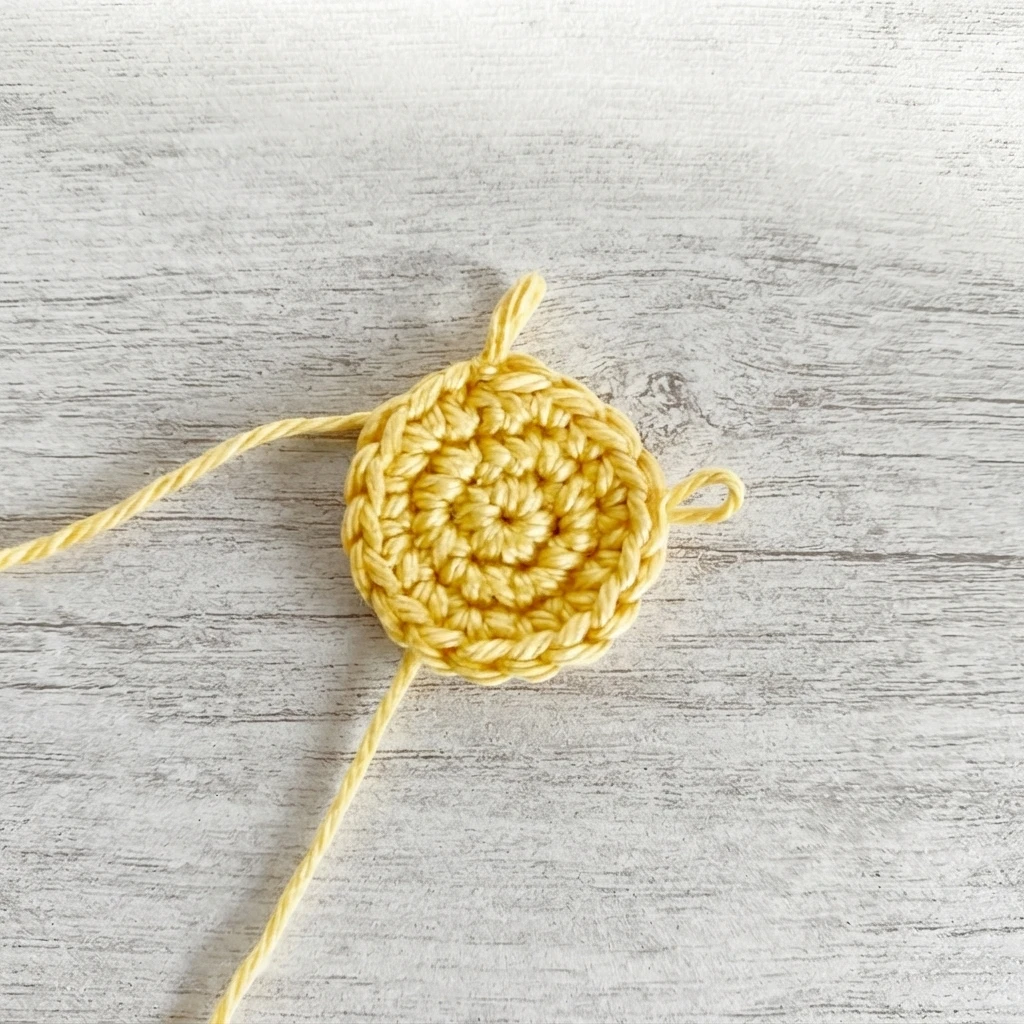
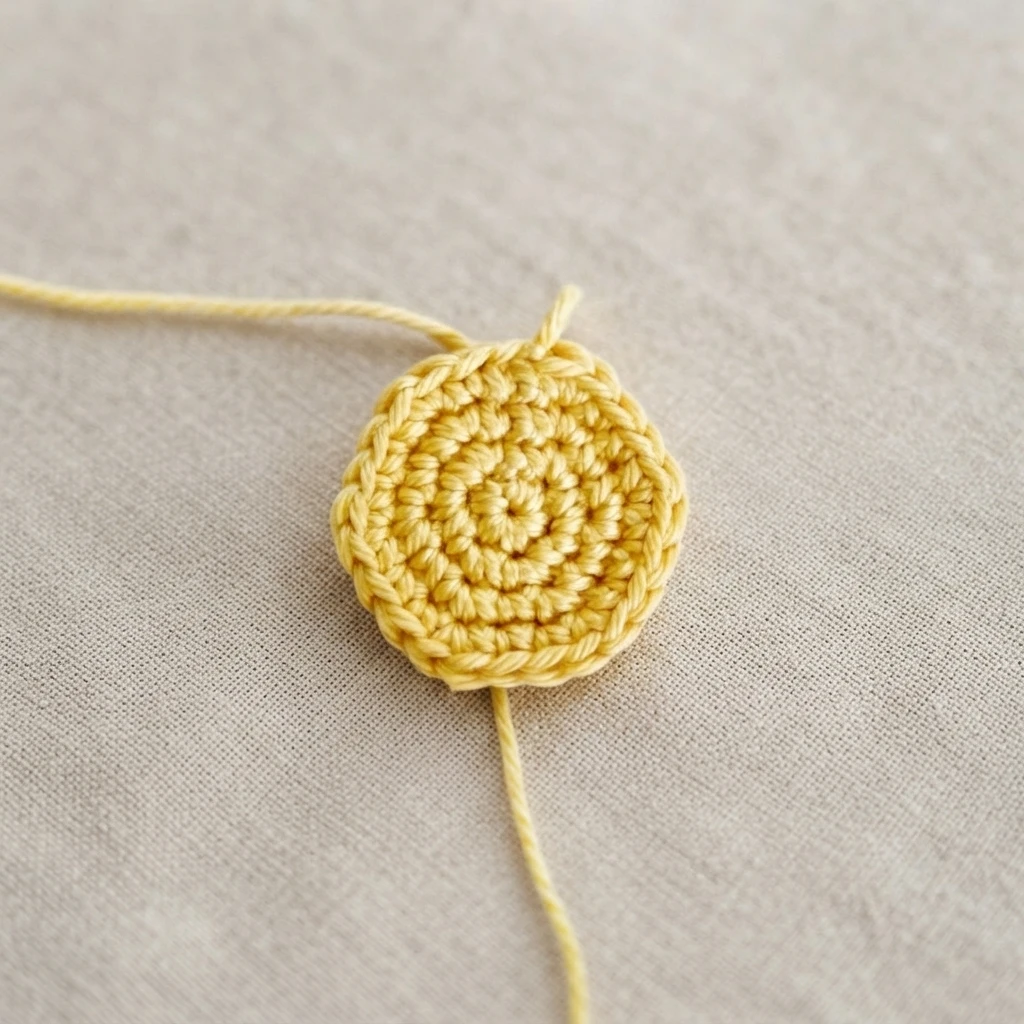
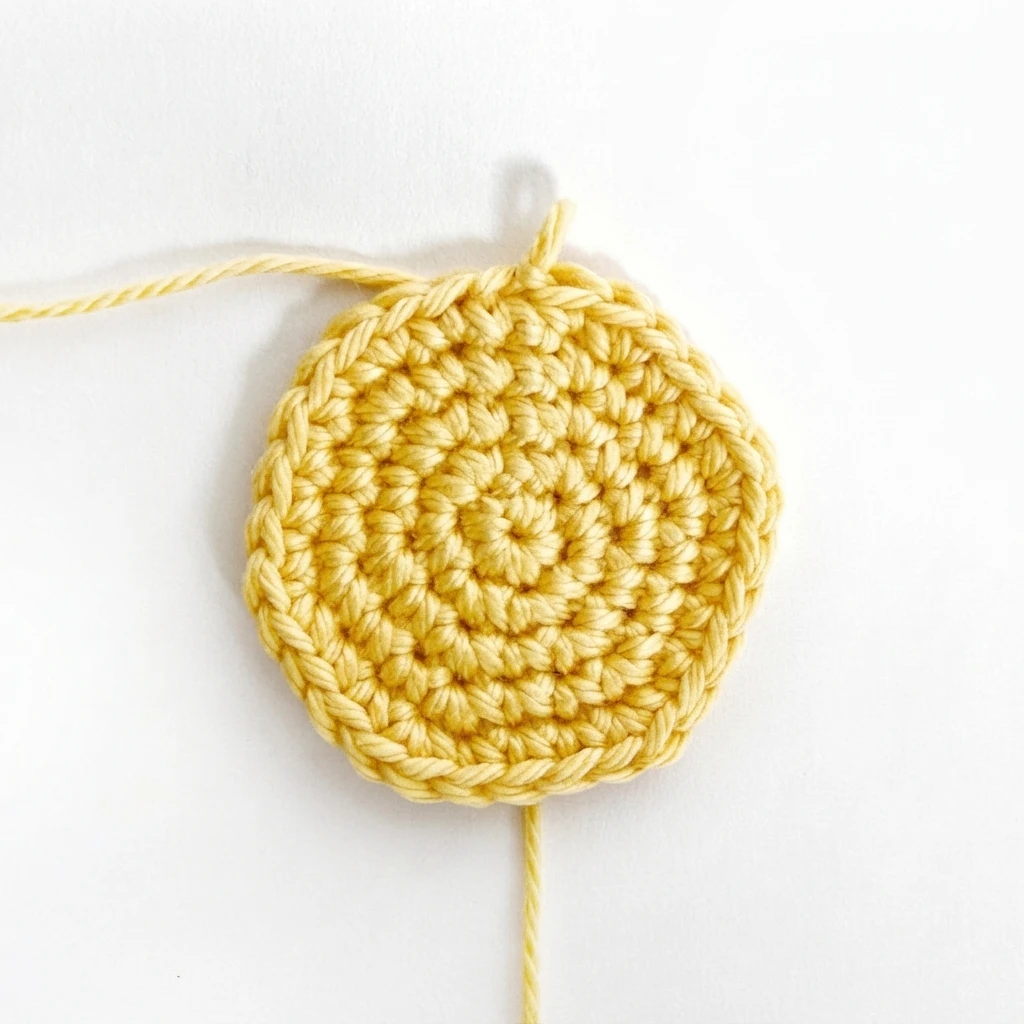
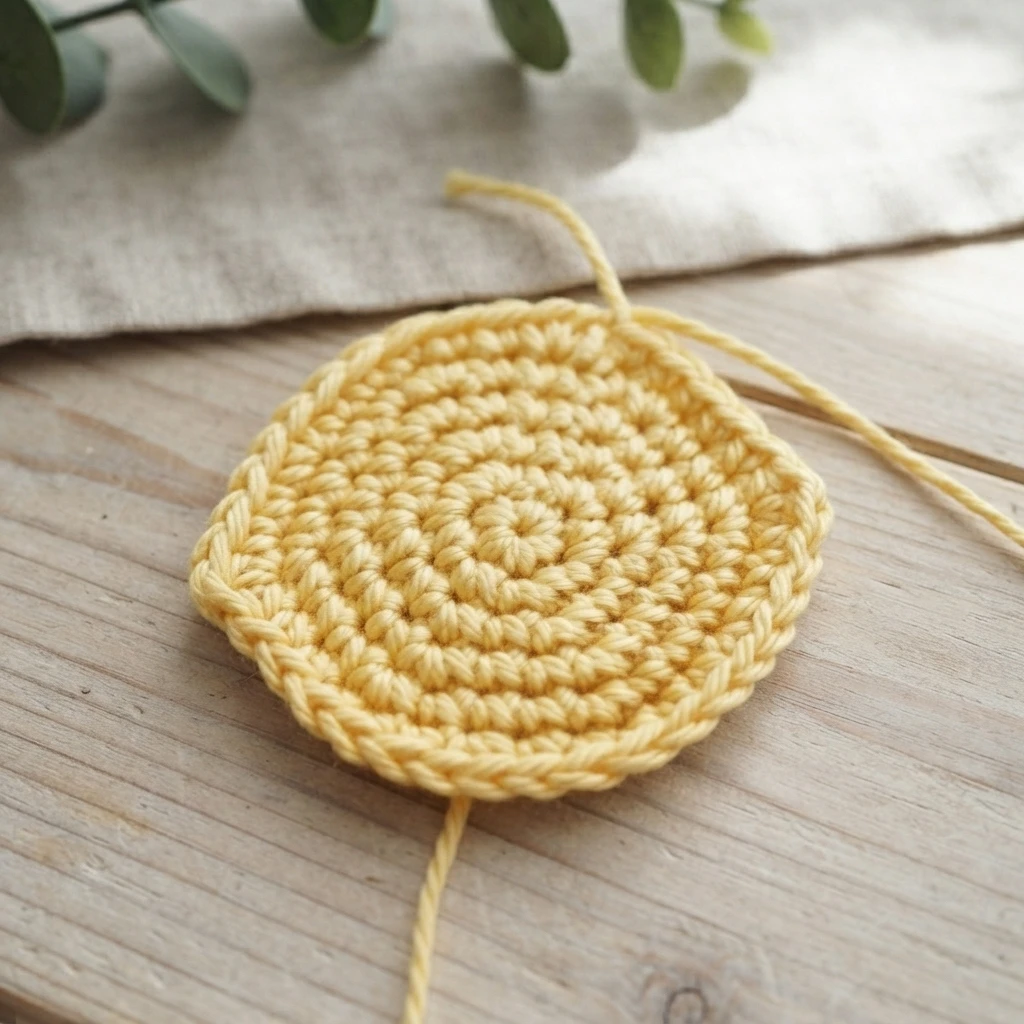
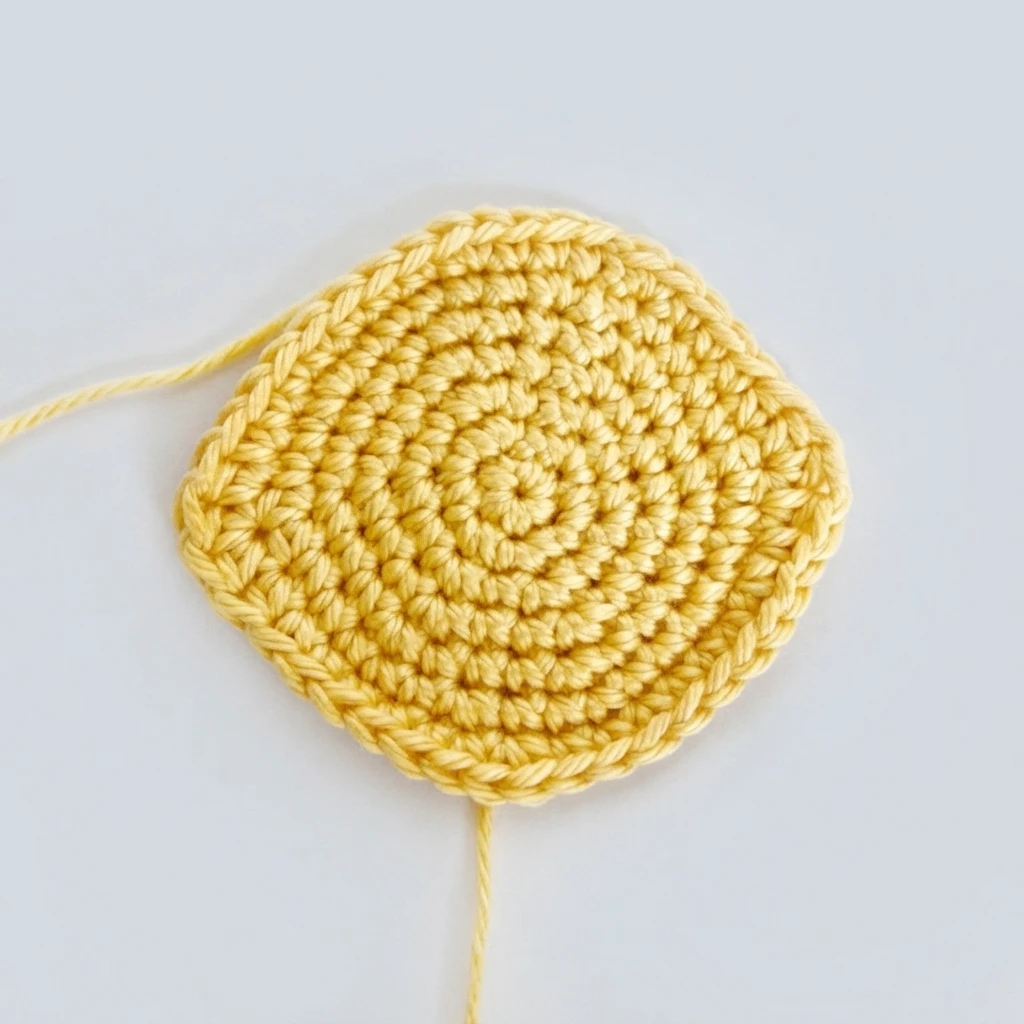
The lemon body uses joined rounds with no turning. Stitch counts appear in parentheses at the end of the round instructions in the original pattern, and round by round photos appear at the end of that section.
Work begins with a magic ring, with an option to chain 3 and slip stitch to the first chain to form a circle instead. Rounds then build outward with single crochet, increases, and half double crochet, and the lemon shape begins to take form in a later round. When the body is complete, tie off and weave in ends.
Part 2: leaf
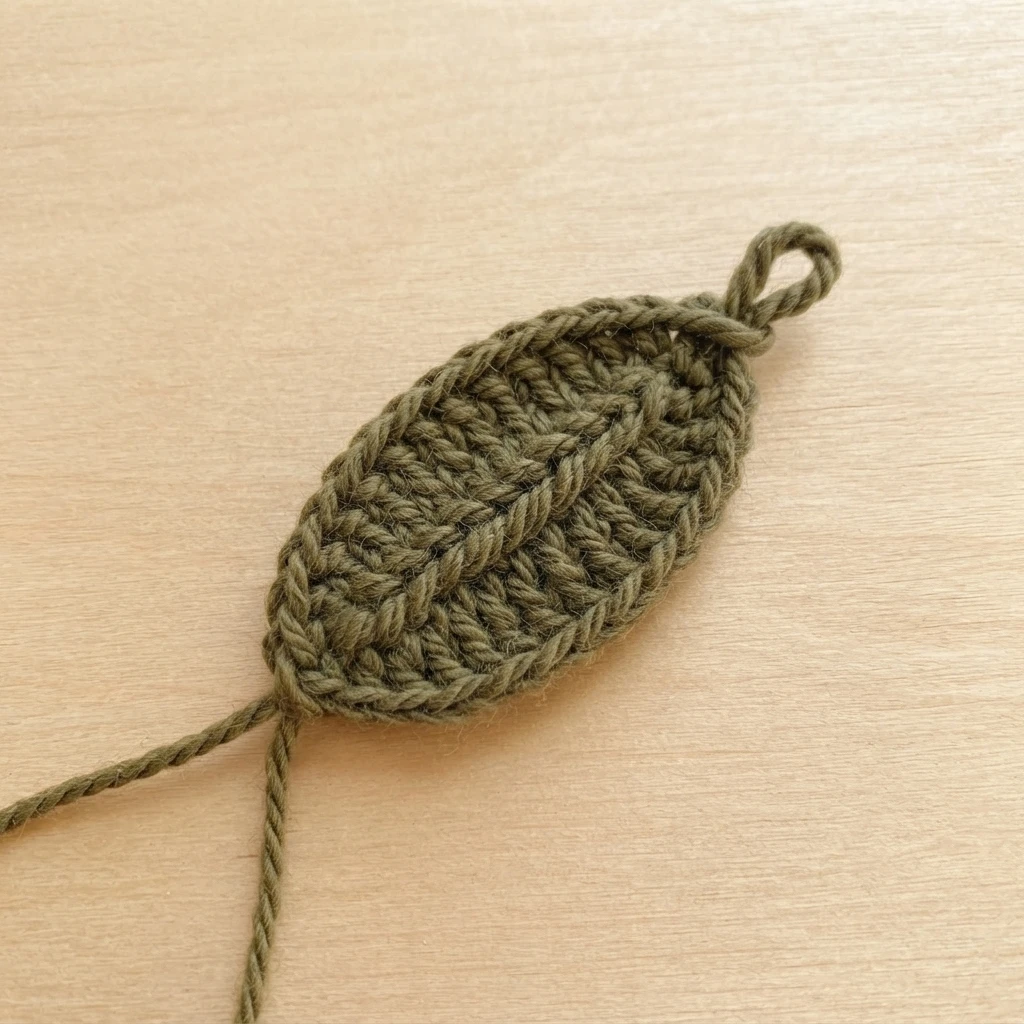
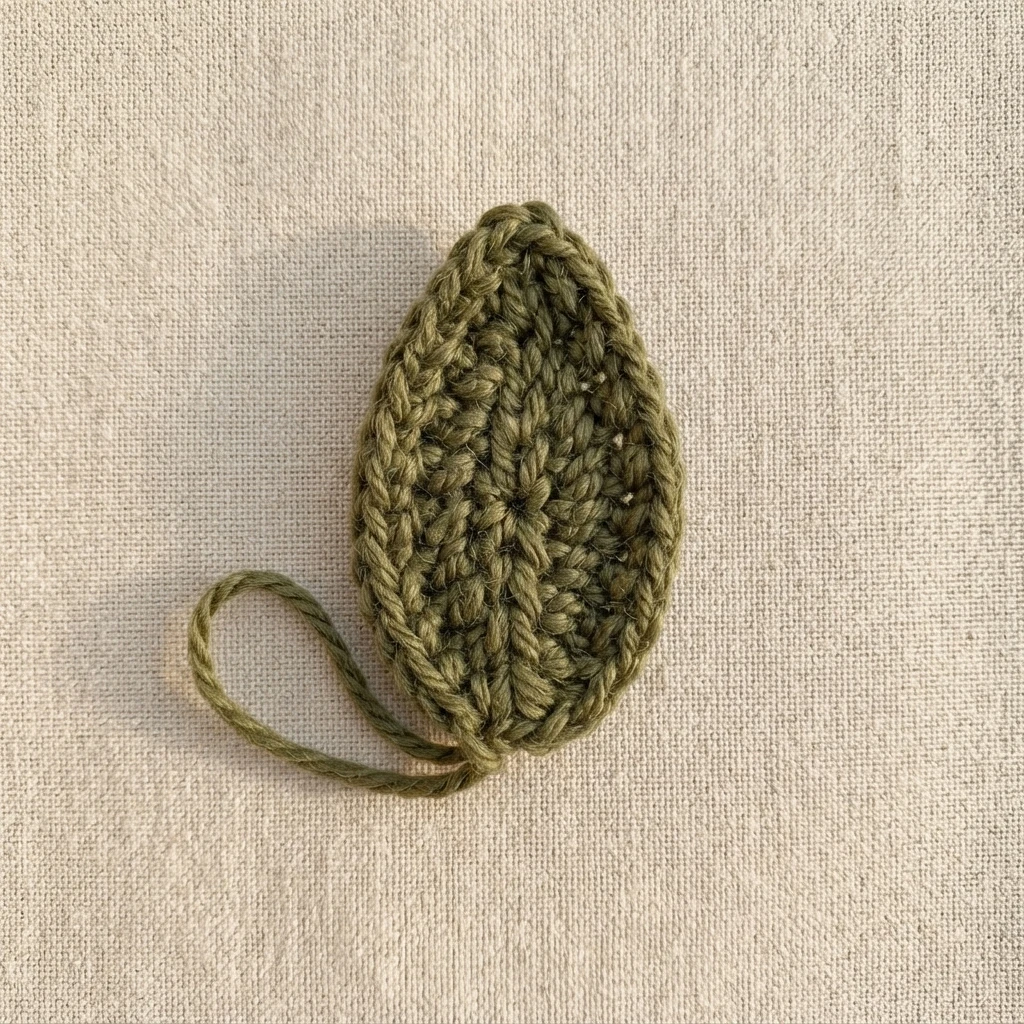
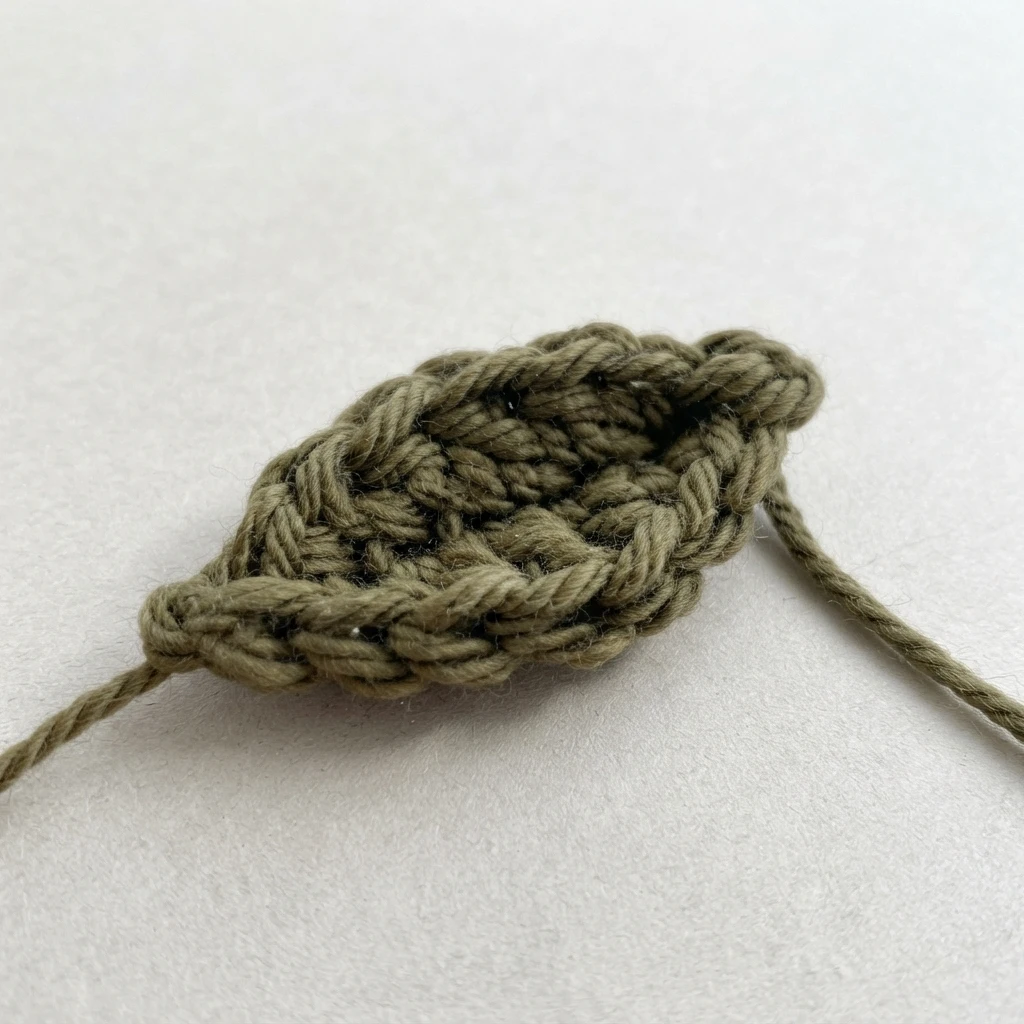
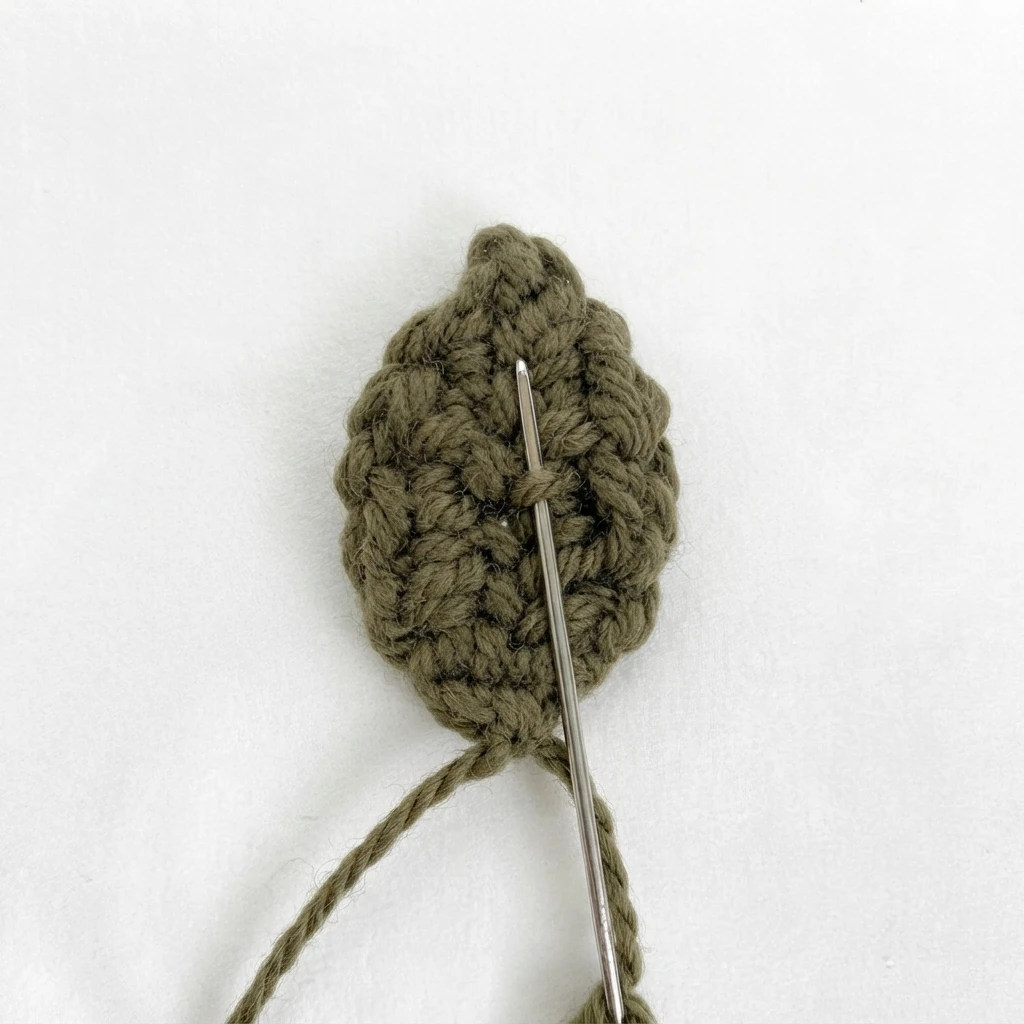
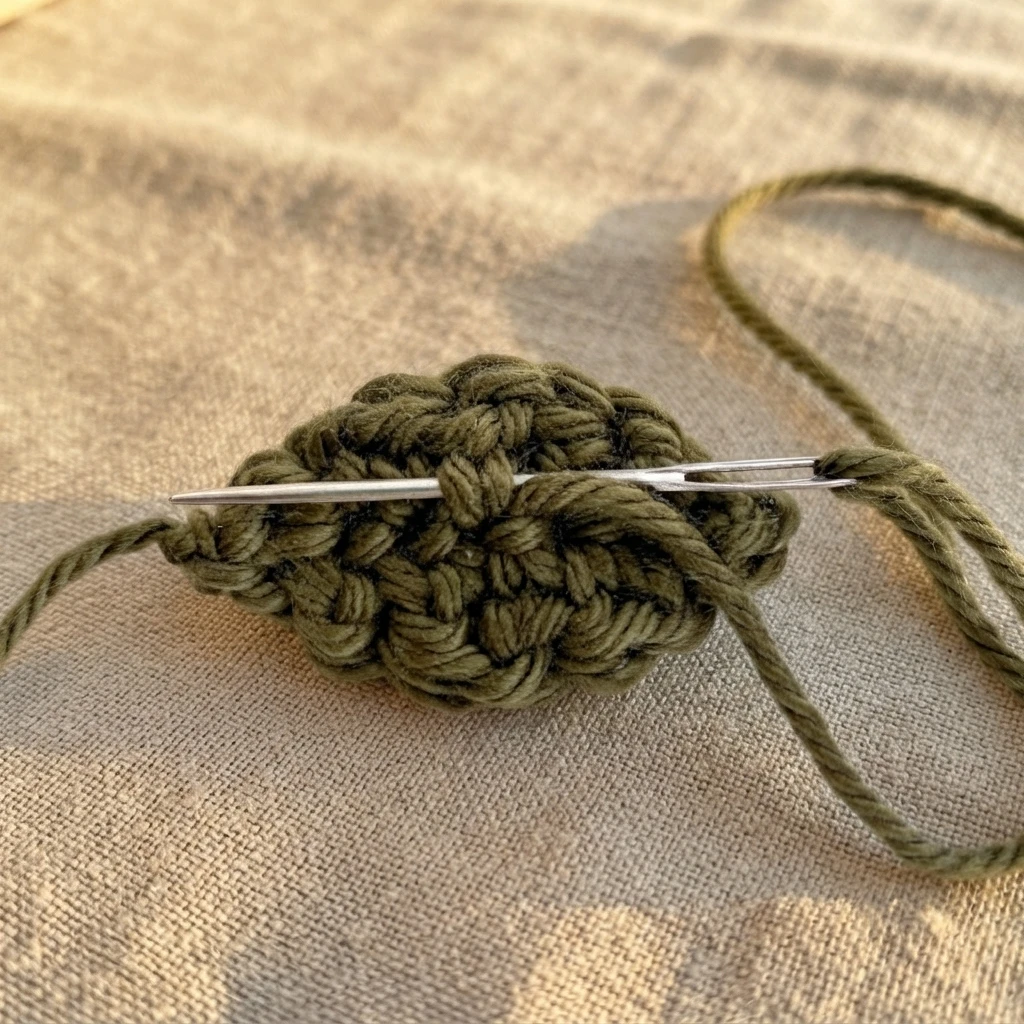
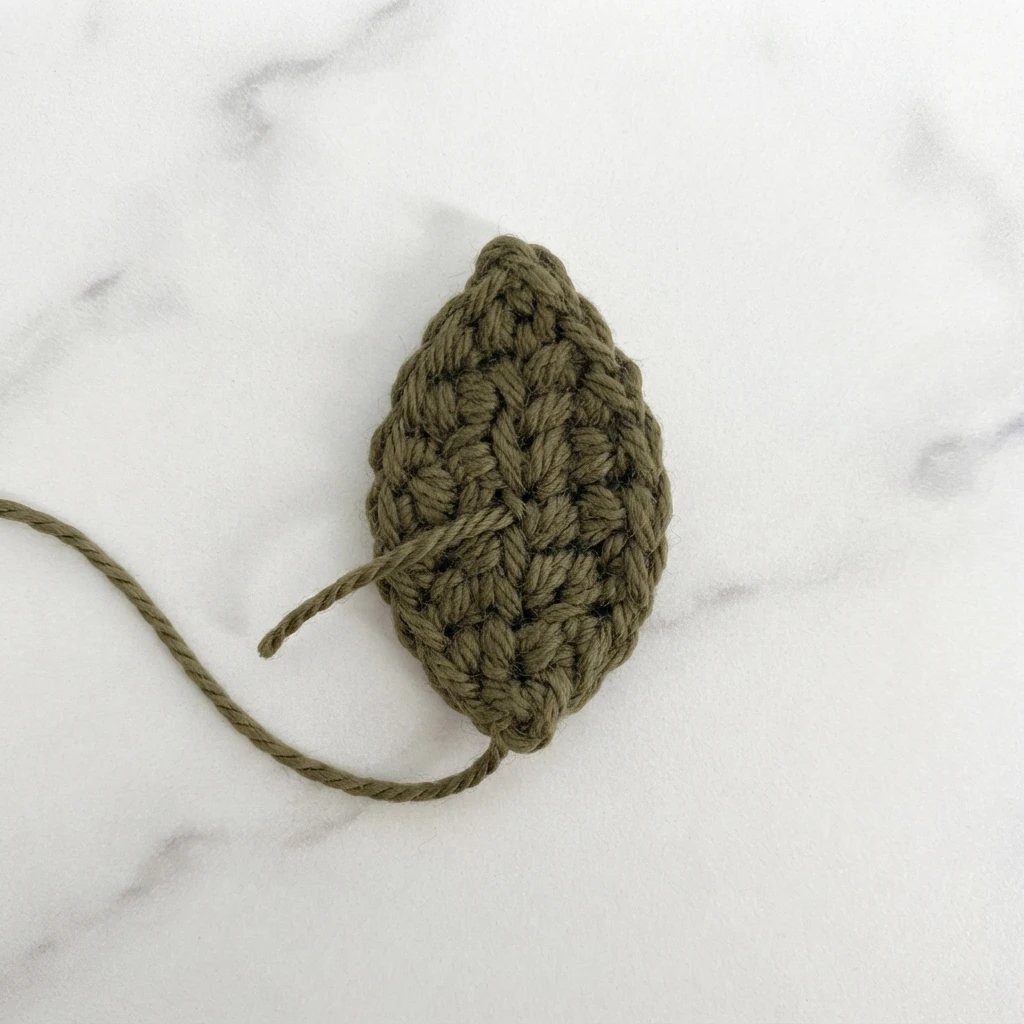
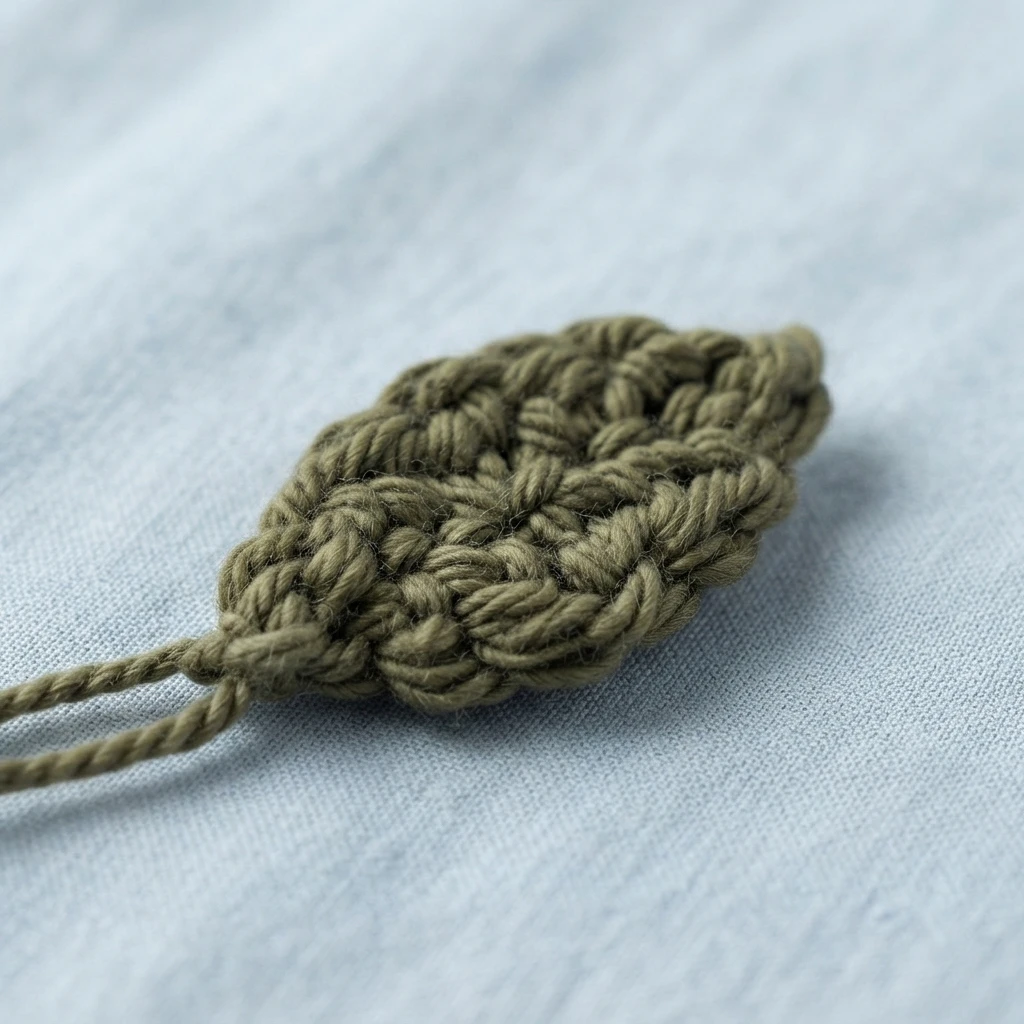
The leaf begins with a foundation chain of 8. Work one side of the chain, turn the piece halfway around, then work back along the other side and join to the first stitch from the starting side to close the shape. The leaf uses slip stitch, single crochet, half double crochet, and double crochet, and slip stitches count here because they help give the leaf its shape.
Tie off with an extra long tail for sewing. Turn the leaf to the back side and sew the center gaps closed, then leave the tails uncut for attaching the leaf to the lemon.
Part 3: stem
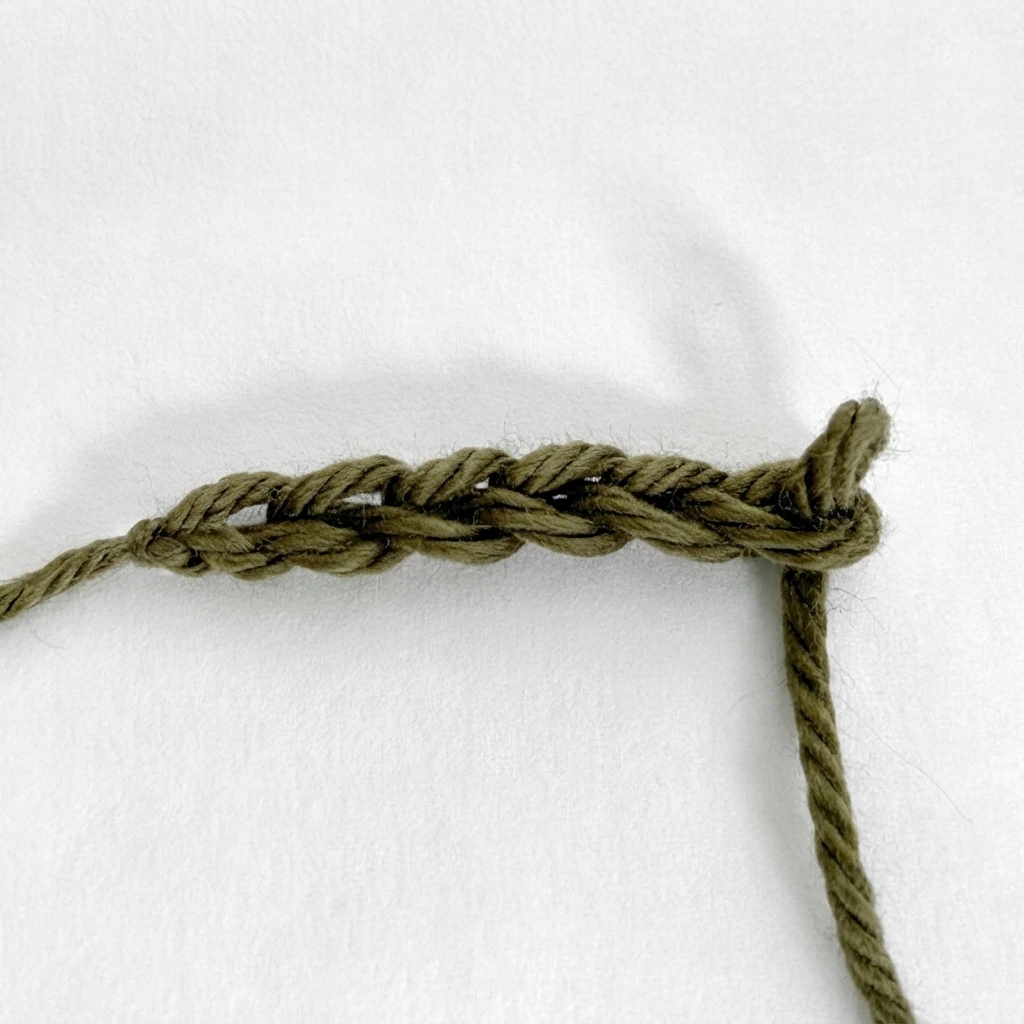
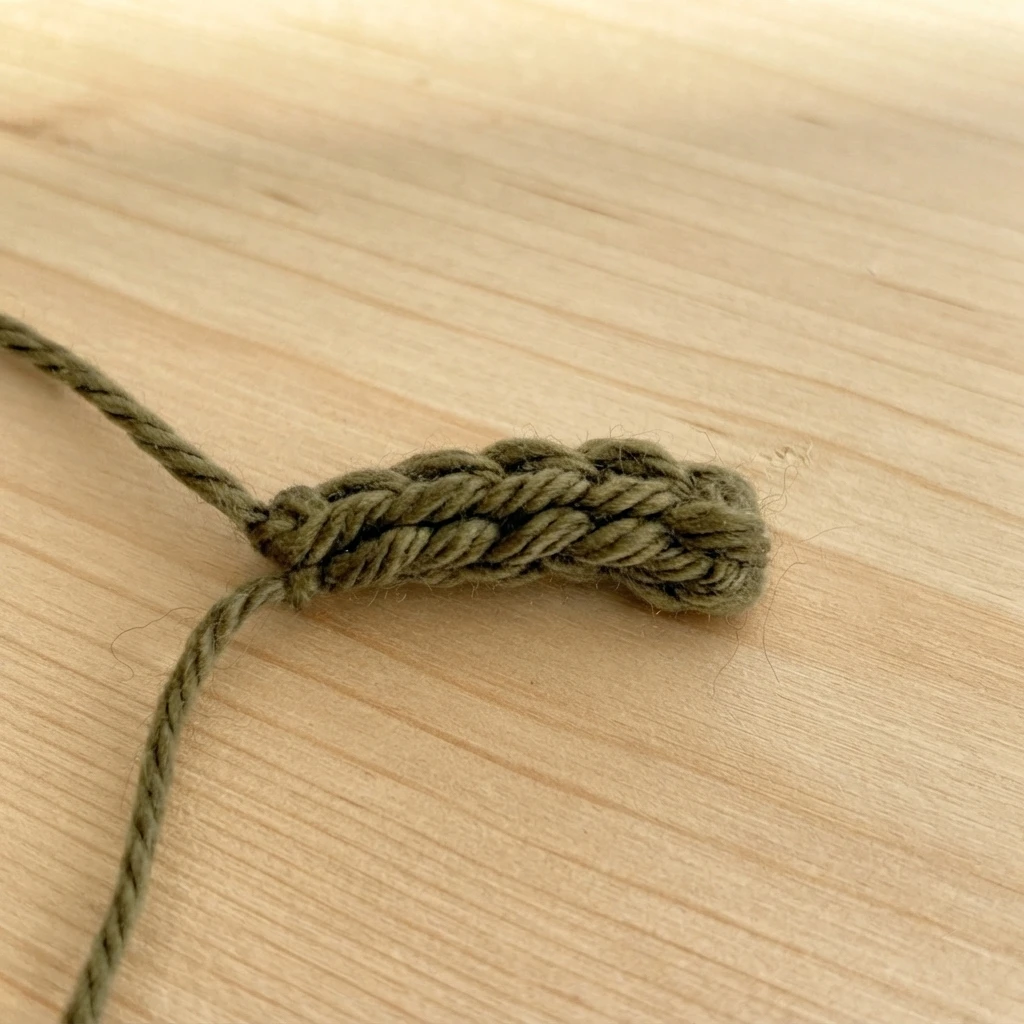
The stem uses a foundation chain and slip stitches, much like the leaf, and slip stitches count as stitches here as well. It starts with a chain of 6, then slip stitches are worked back across the chain. The stem curls naturally because of the stitches used, so you do not need to shape it by hand. Tie off and leave a long tail for sewing.
Part 4: attaching
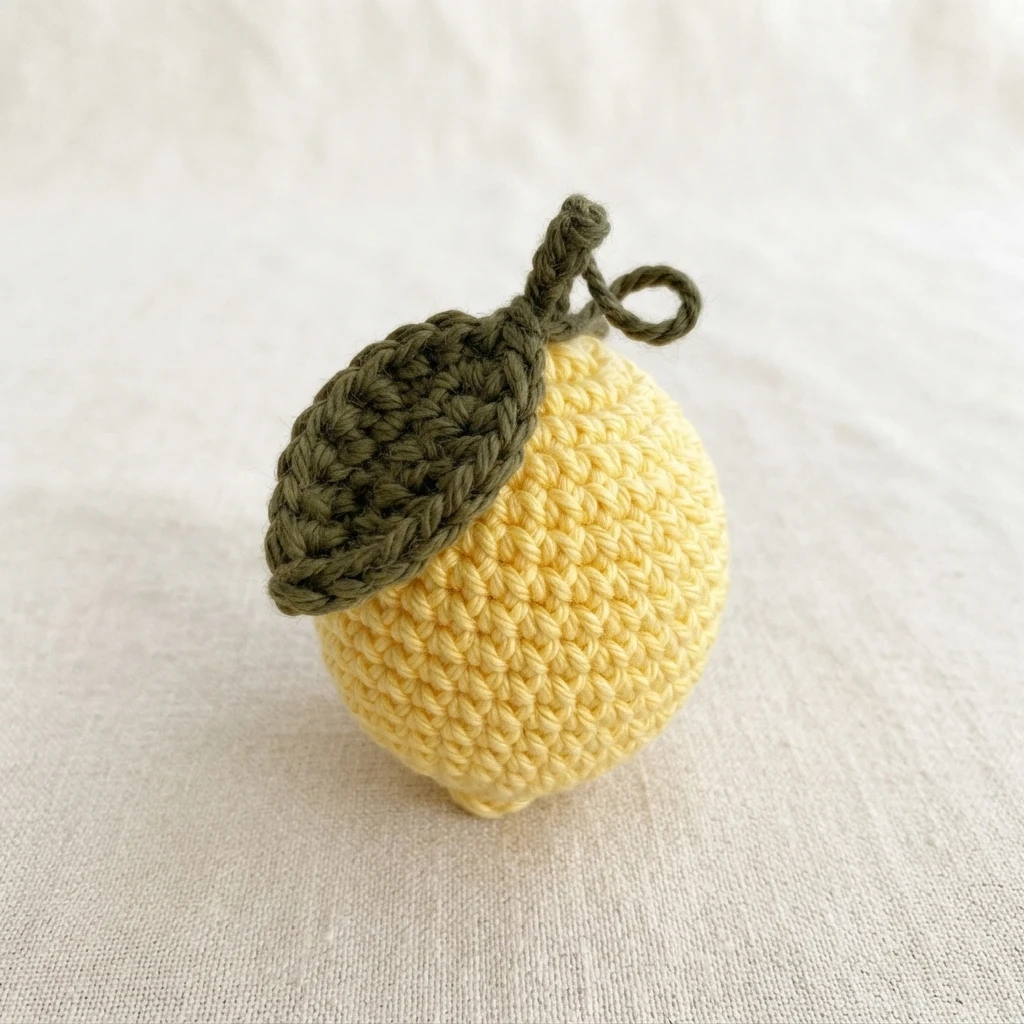
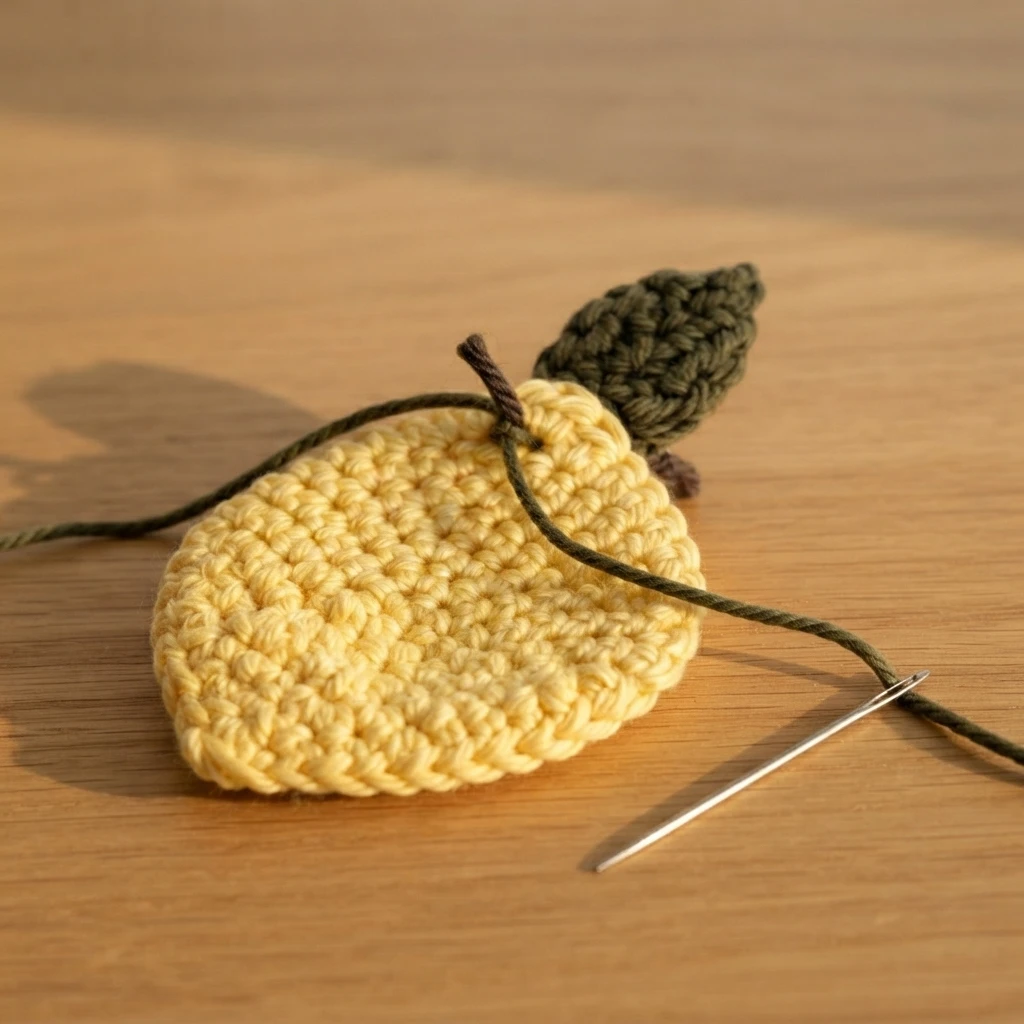
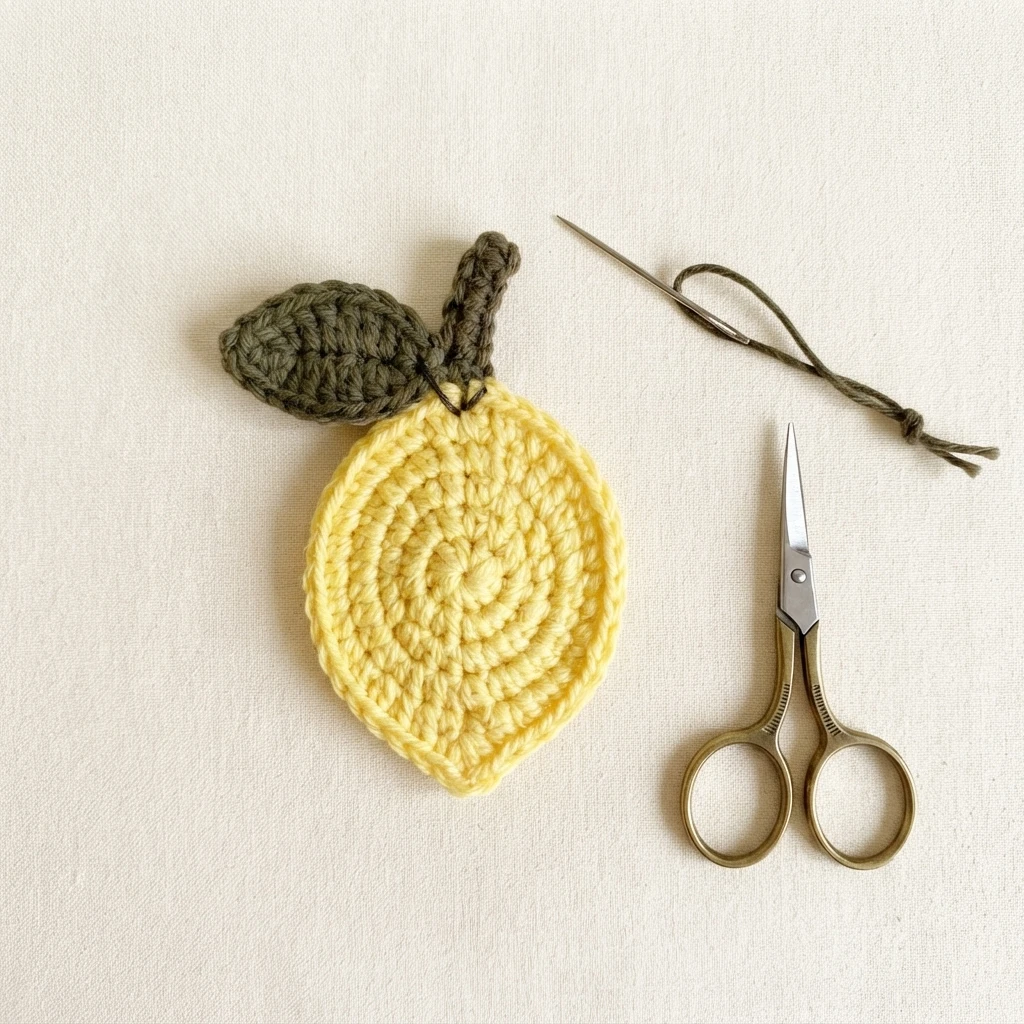
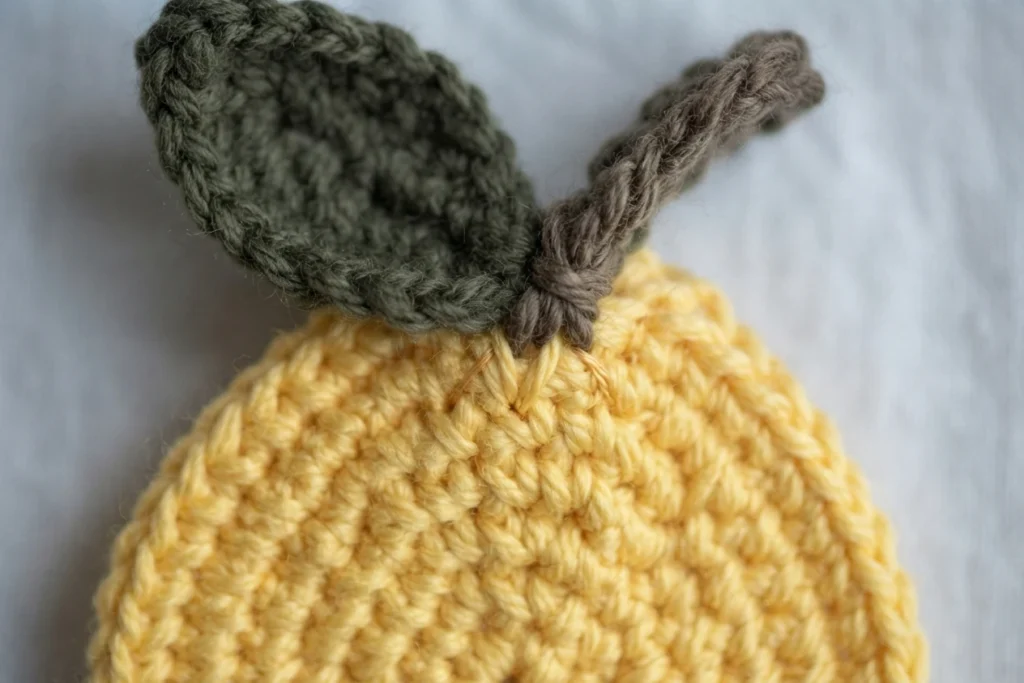
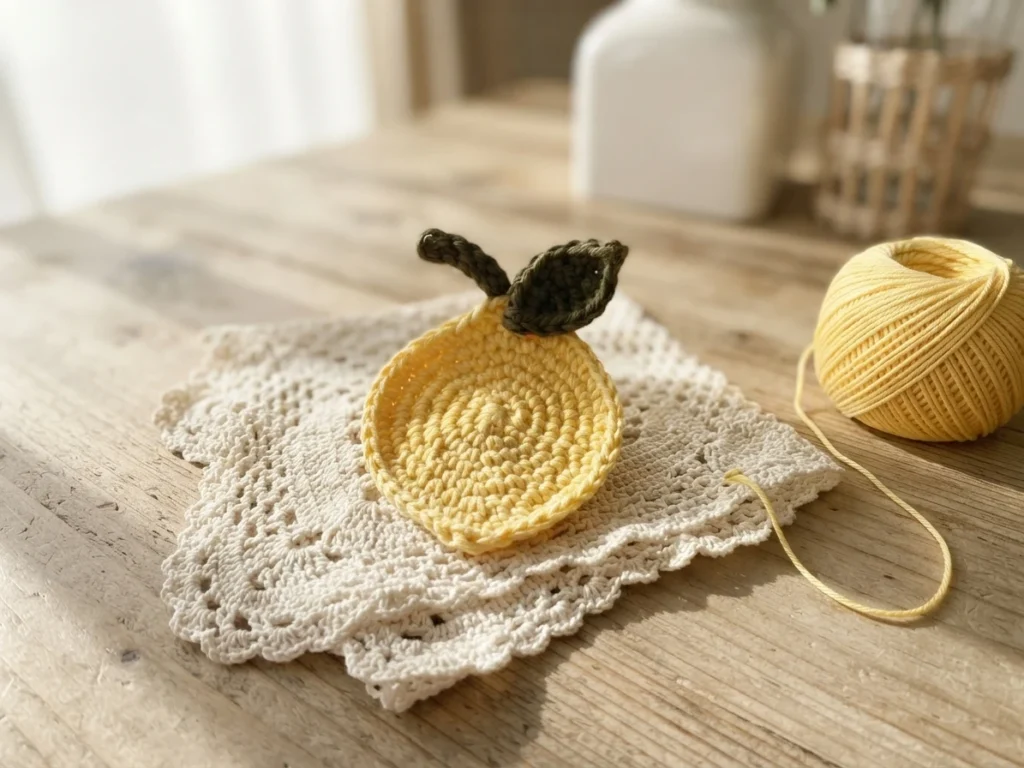
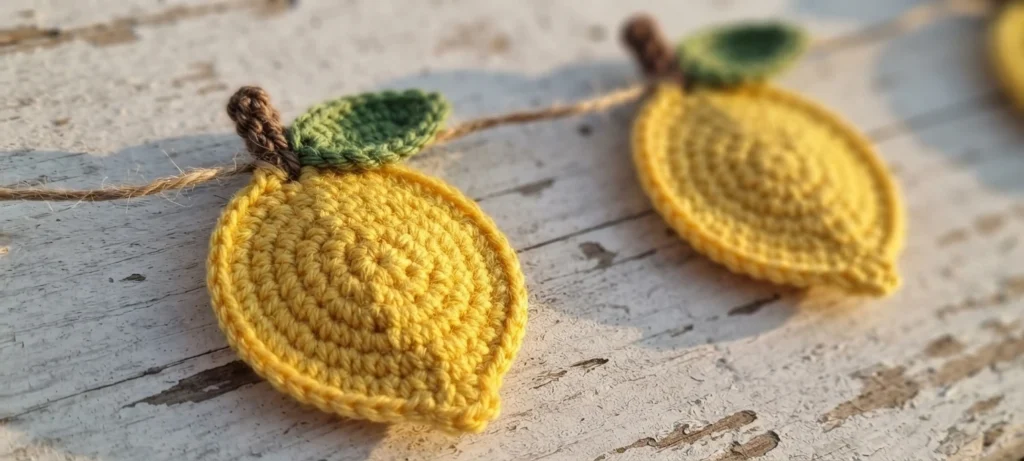
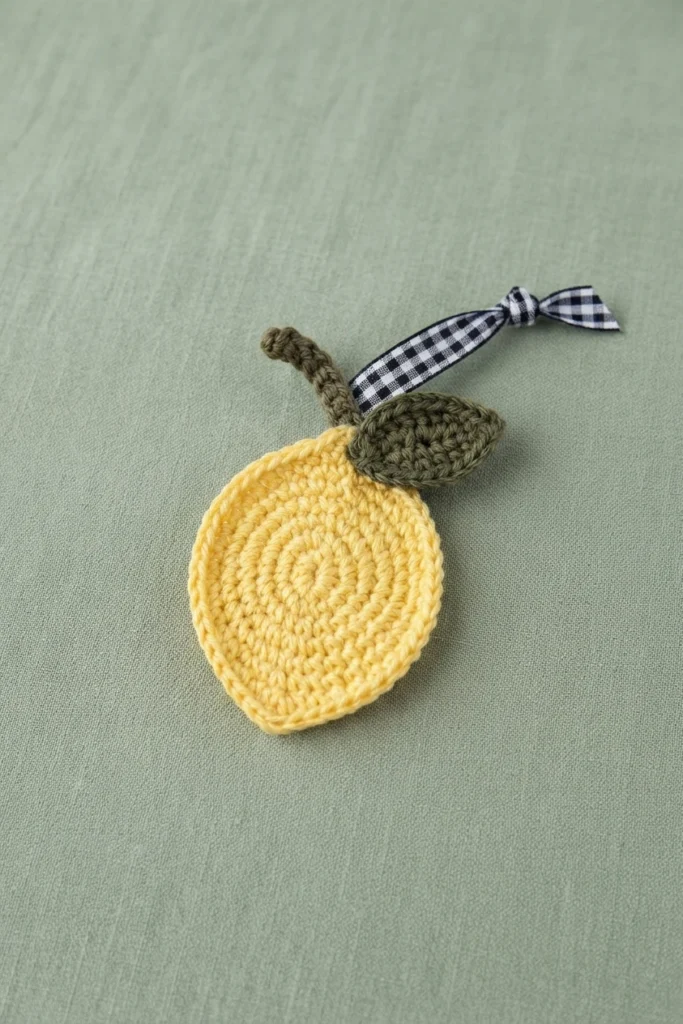
Attach the leaf at the top front of the lemon, using its long tails to secure the overlapping part. Sew the stem to the top center stitches, down through the top V, and secure it to the backside of the lemon.
Once everything is attached, knotting the tails and cutting them is an acceptable alternative to weaving in ends. That choice avoids adding bulk to a few stitches at the top of the lemon, and it suits a display piece that will not be handled or washed often.
Make as many lemons as desired and string them up any way you want. For the sample mini bunting, the lemons were strung on a ribbon cut to 26 inches (66 cm) for a tiered tray. For another bunting idea, see Crochet Bat Appliqué Pattern - Make Bat Bunting for Halloween: Pattern Overview.