Project introduction
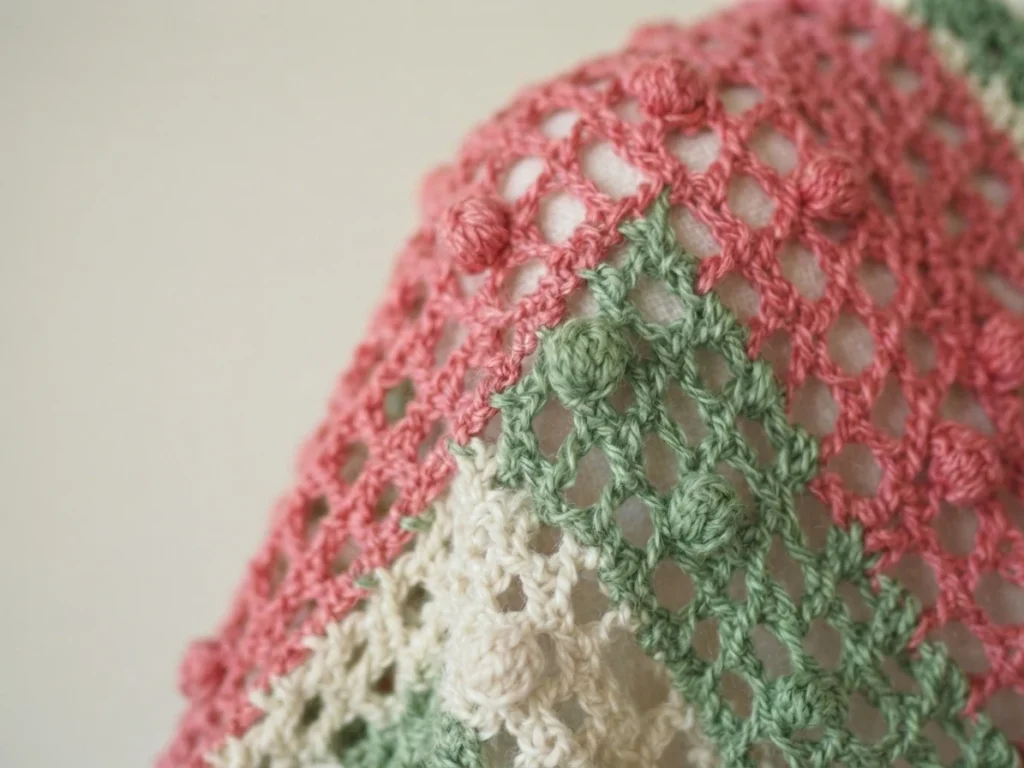
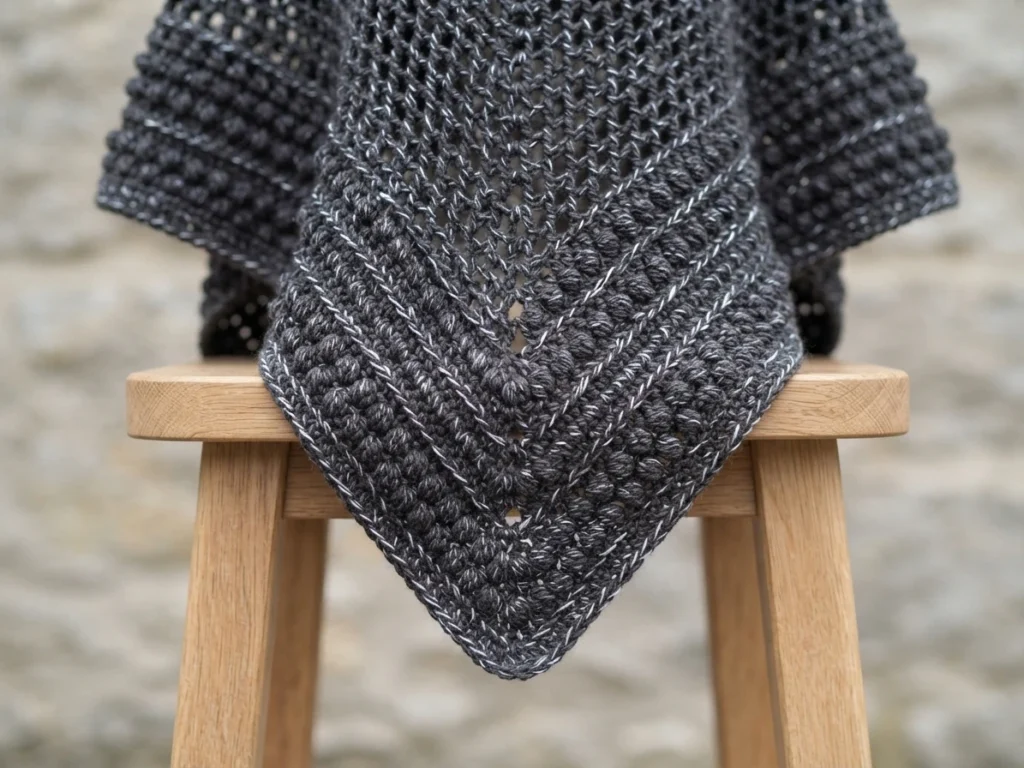
This pattern overview introduces the Spring Poncho by Anne Kitzman, a light layer designed for spring wear. It explains what the original listing covers, who it suits, and how to use the Original designer’s pattern and instructions to reach the complete written guidance. It is not a full tutorial, so readers should follow the original pattern for construction details and any choices that affect fit and finish. It also notes the open construction and flexible texture so you can judge the fit before opening the pattern.
Spring Poncho
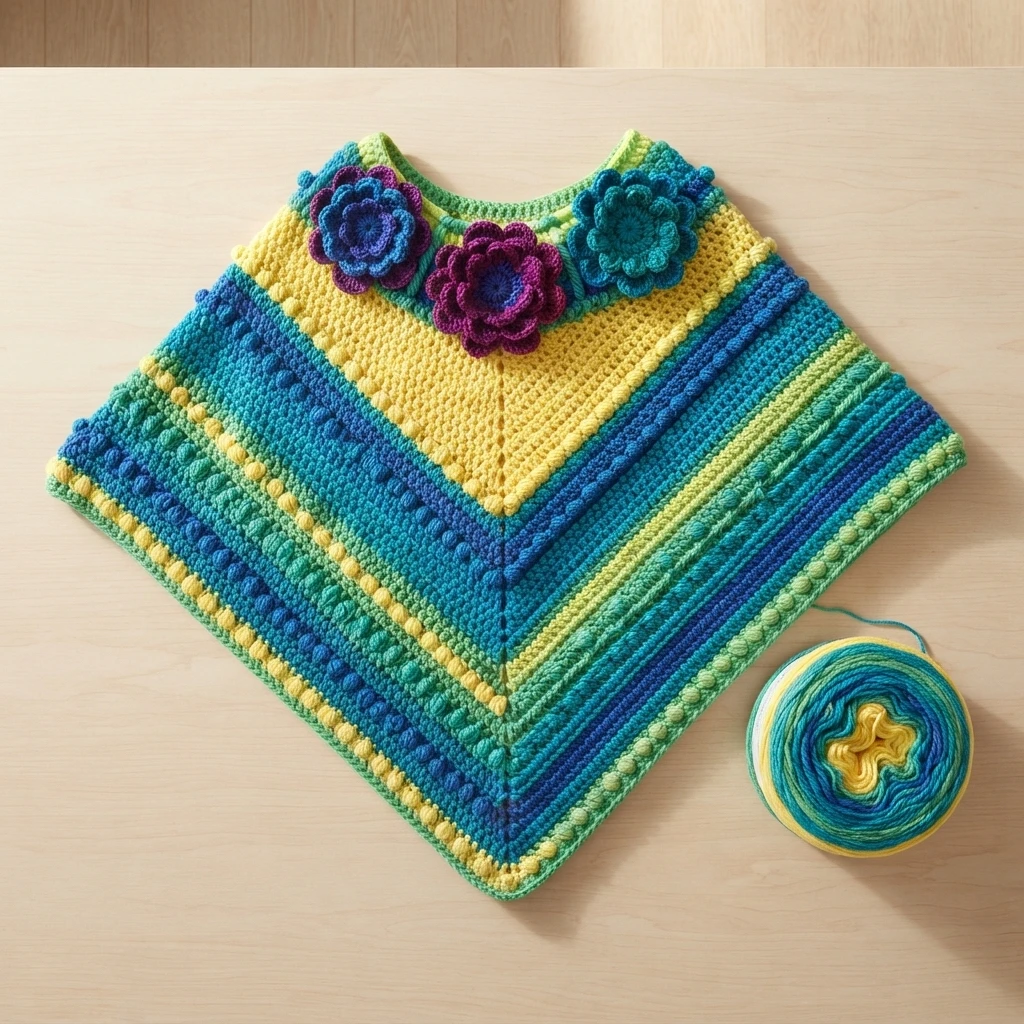
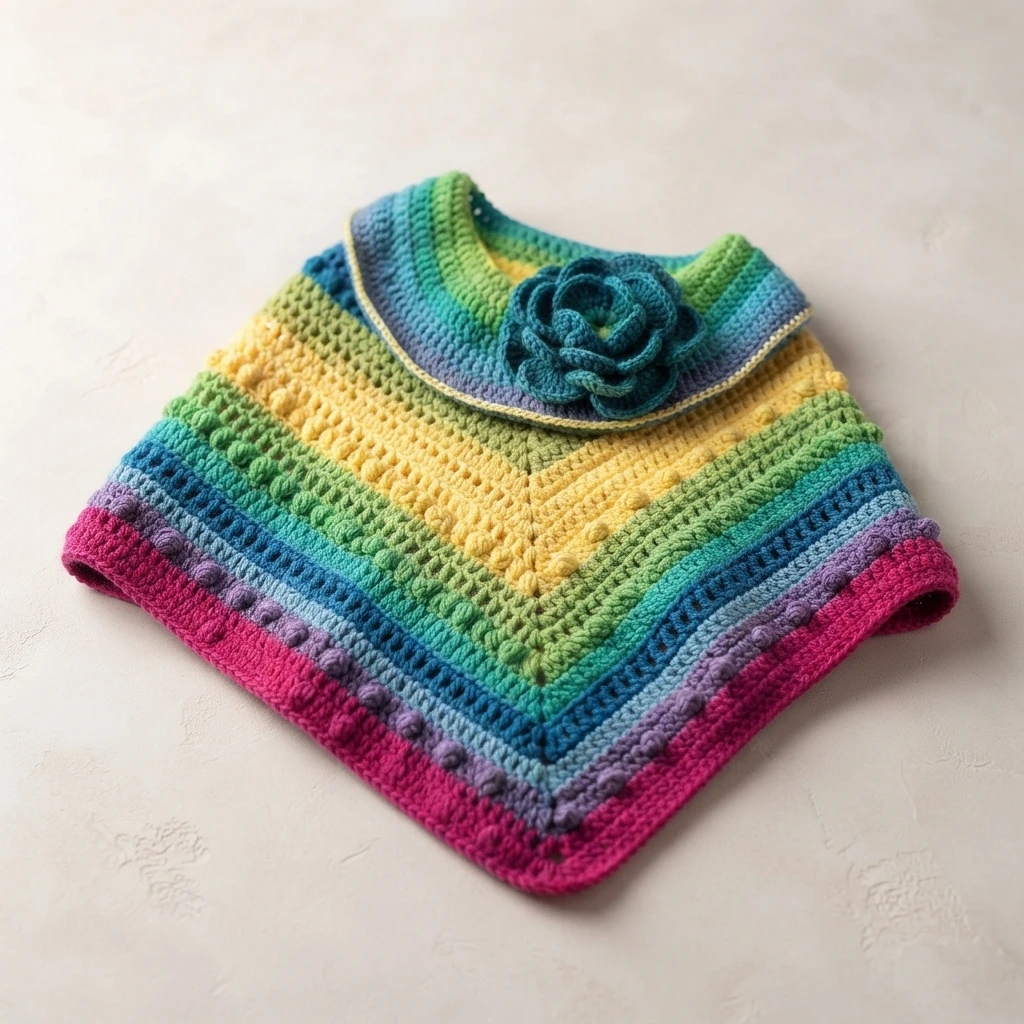
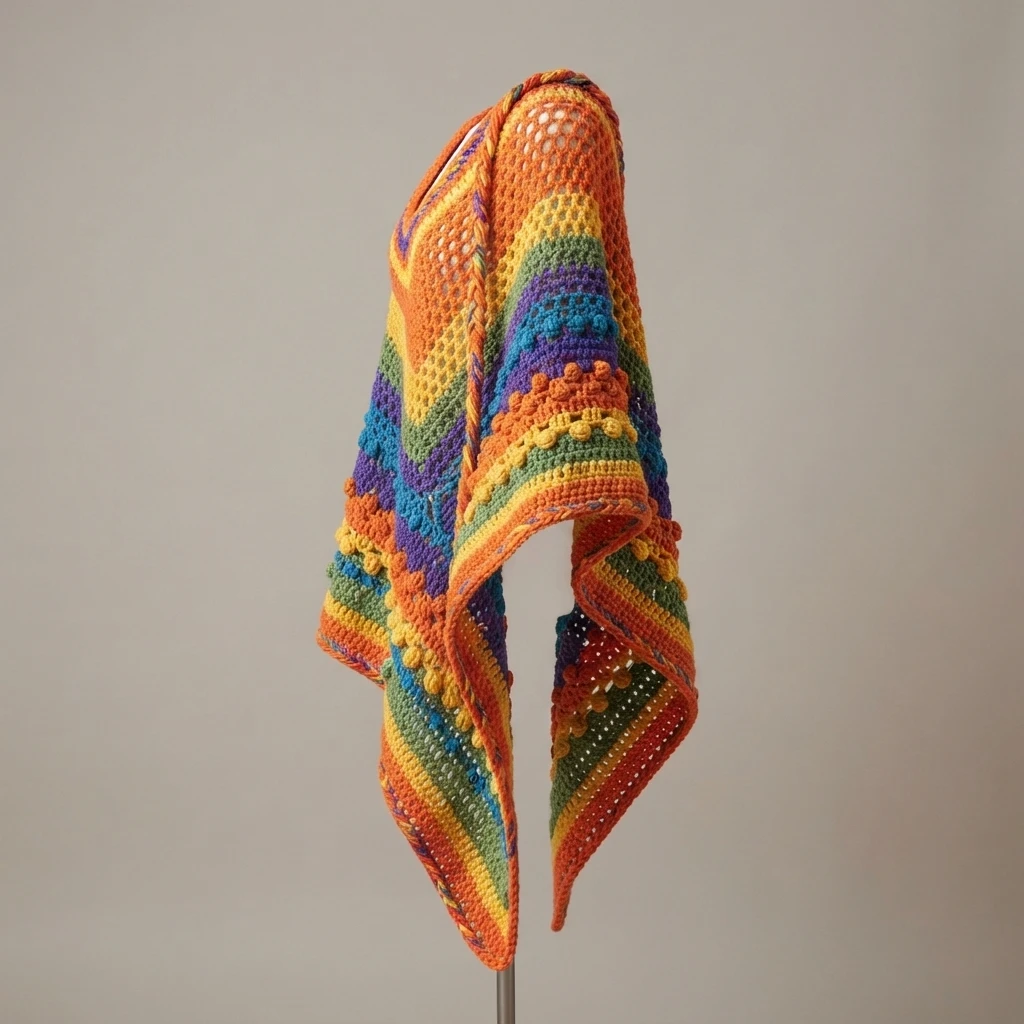
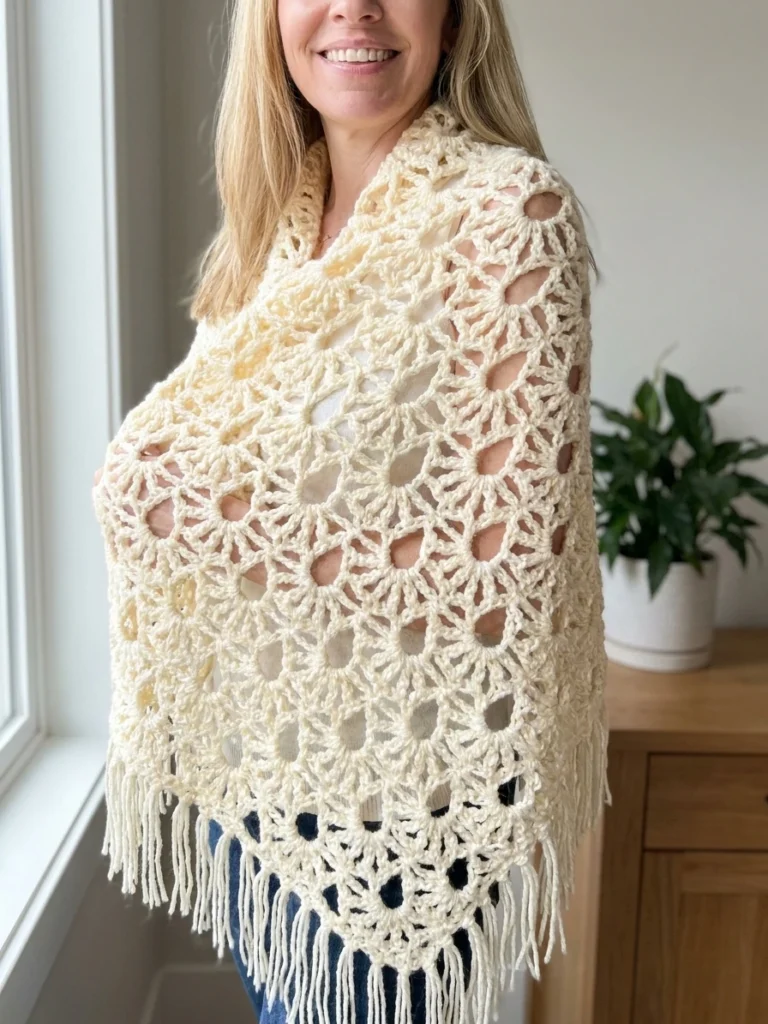
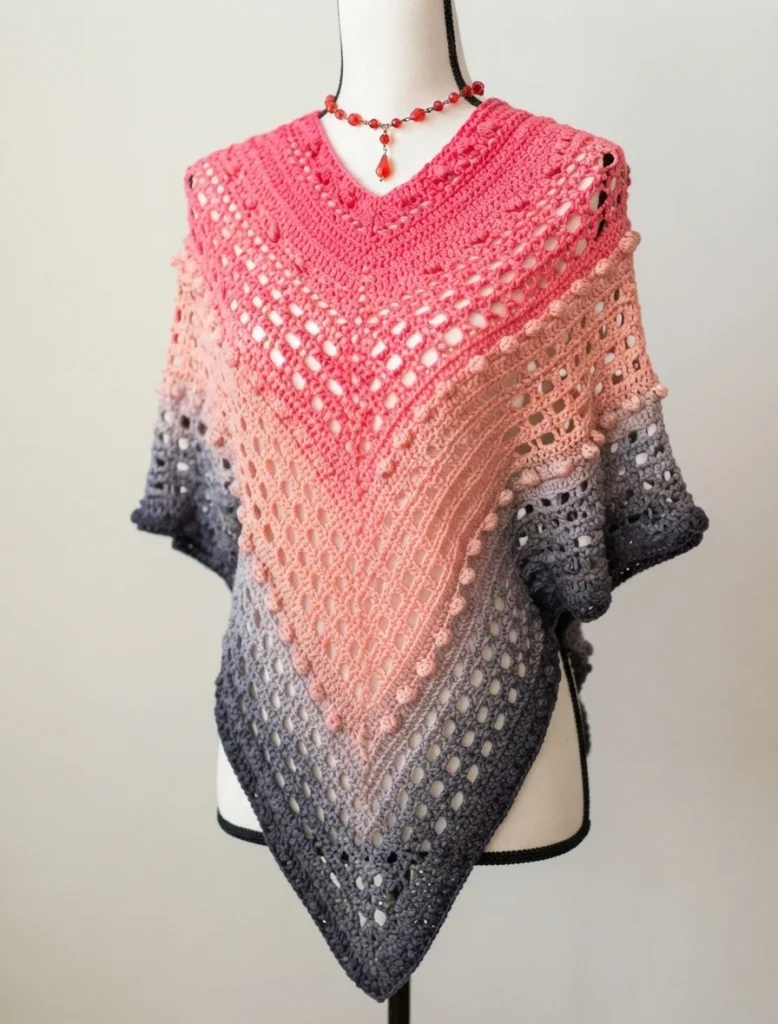
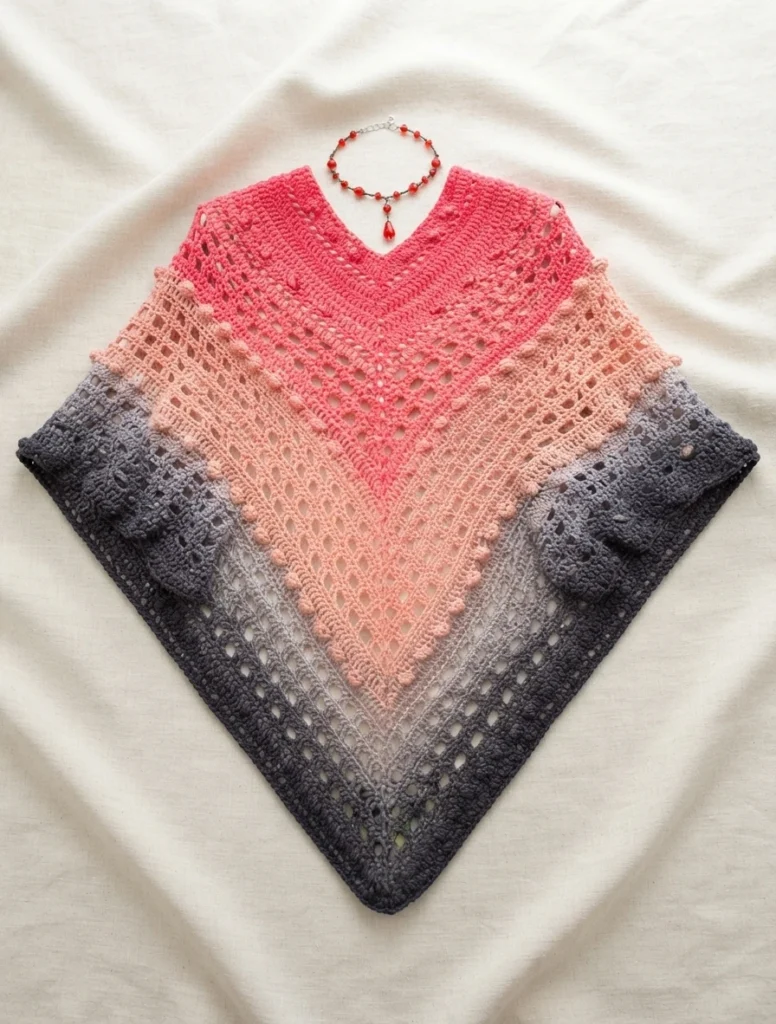
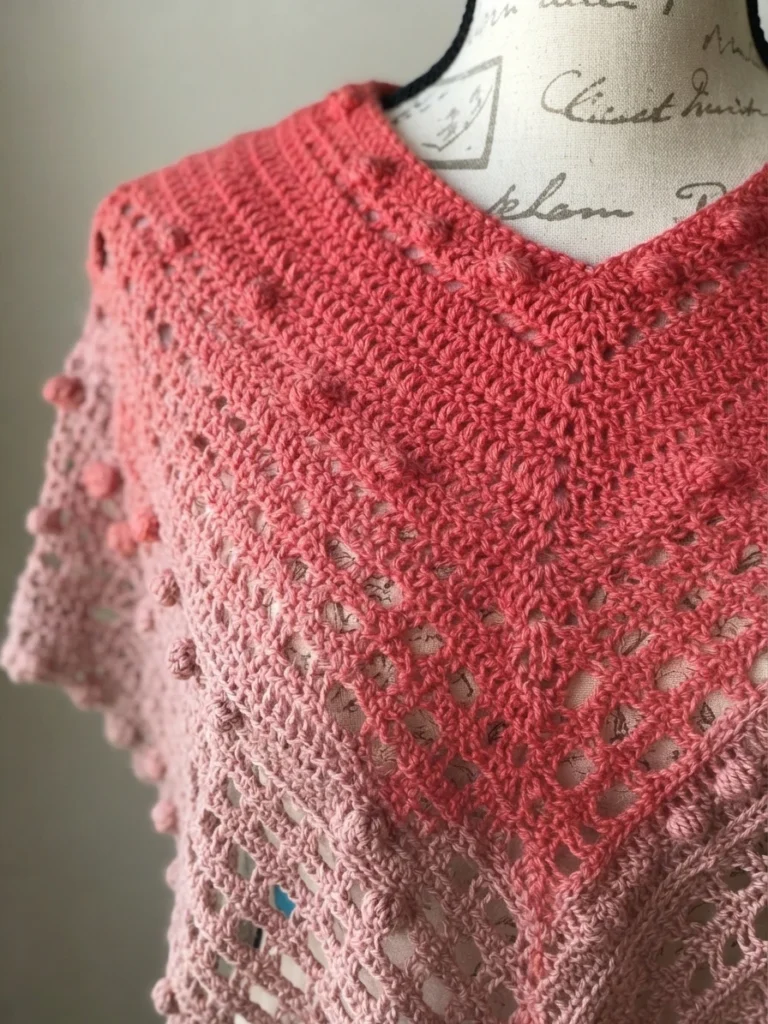
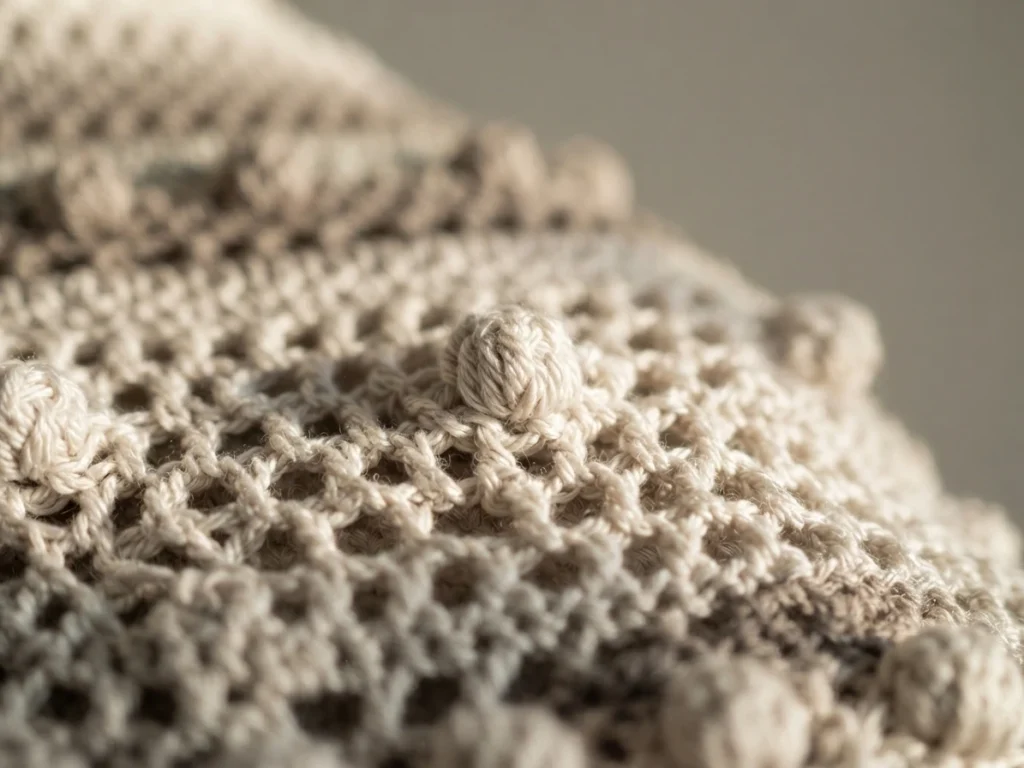
The Spring Poncho is listed as a neck and torso poncho with a triangle shape. It is worked from the top down, in the round, as one seamless piece. The listing pairs open mesh with bobble or popcorn texture and stripe colorwork, giving the layer visual movement without heavy fabric. The written pattern keeps the focus on overall shaping and texture placement. The open fabric suits a light spring layer that can sit over a simple top.
The poncho is crocheted from the top to the bottom, and the original guidance is basic rather than stitch by stitch. That spare style is why the designer notes the project suits more advanced crocheters. Confident makers can read the overall direction, keep the shaping consistent, and check the finished fabric as they work. Anyone who prefers row by row detail should review the original listing before starting, after gathering the supplies below.
- One roll of Scheepjes Whirl, fingering weight, 60% Cotton, 40% Acrylic, 1094 yards / 225 grams.
- 3.5mm crochet hook.
- Plan for leftover yarn, since the designer did not use the entire roll.
Anne Kitzman first made the poncho for herself as a light spring layer, then wrote down the approach after readers asked for the pattern. That history explains the flexible, summary style. Makers can choose how much bobble texture to include on the relevant round, or leave bobbles out entirely. The choice lets each version feel personal while keeping the same open, triangular shape. The original was completed in five days, which shows how quickly the open fabric can grow.
This overview is meant to help you decide whether the project fits your skills and yarn stash. The pattern is available as a free Ravelry download, and the original listing remains the source for the complete instructions. Use the link in the introduction to open it, check the written guidance, and confirm that the flexible format works for you before you begin.